Why the 16-inch M1 Max MacBook Pro Still Holds Its Value
Pro-tier power, fixed high memory, the ports pros wanted, and years of macOS support keep the 16-inch M1 Max a resale sweet spot five years on.
Encore Editorial · Sep 26, 2026 · 6 min read

Five years is a long time in laptops. Most machines that shipped in 2021 are now landfill-adjacent — slow, unsupported, or simply forgotten. The 16-inch M1 Max MacBook Pro is the conspicuous exception. It still commands real money on the used market, and it does so for reasons that have nothing to do with nostalgia. The 16-inch M1 Max MacBook Pro holds its value because Apple over-built it: a genuinely powerful chip, a lot of fixed memory, a display and port array that pros still want, and a software-support runway that hasn't run out. Put those together and you get one of the clearest resale sweet spots in the Mac lineup.
To understand why, it helps to remember what this machine represented when it launched.
The short version: The 16-inch M1 Max MacBook Pro holds its value because it paired a pro-tier chip with high, non-upgradable memory, restored the ports pros wanted, and shipped a display that's still excellent. Long macOS support keeps it current — so demand stays firm years after launch.
Why the 16-inch M1 Max MacBook Pro holds its value
The 2021 redesign was a deliberate correction. After years of removing connectivity, Apple brought the ports back — the 16-inch model added an HDMI port, an SDXC card reader, MagSafe 3, three Thunderbolt 4 ports, and a headphone jack — and paired them with a mini-LED Liquid Retina XDR display running ProMotion at up to 120Hz. It also introduced the M1 Max, which could be configured with up to a 32-core GPU and, crucially, up to 64GB of unified memory. This was the machine that undid the most-criticized decisions of the prior era, and buyers noticed.
That spec sheet is exactly why the machine ages well. A used MacBook Pro's value tracks what it can still do, and the M1 Max still does a lot. As AppleMagazine notes, the M1 family "was built around efficiency first," and even years later "developers compile code daily, photographers edit large RAW libraries, and video creators work in 4K timelines without constant slowdowns." A five-year-old machine that can still anchor a professional workflow is one people will pay for secondhand.
The fixed memory that props up resale
The single most underrated factor is the memory. Apple Silicon's unified RAM is soldered to the chip, and as AppleInsider explains, "there's no way to upgrade the RAM later, except to replace the CPU" — "you're stuck with whatever RAM size you initially ordered." On most machines that's a warning. On a well-specced M1 Max it's a value engine.
Because memory can never be added, a 16-inch M1 Max that was ordered with 32GB or 64GB carries that expensive configuration permanently. A used buyer who needs that much memory can't add it to a cheaper machine later; they have to buy a unit that already has it. That scarcity is why the higher-memory M1 Max configurations hold their value especially well — the upgrade is baked into the hardware and can't be undercut. The same AppleInsider piece notes the M1 Max delivered around 400GB/sec of memory throughput, "approaching that of modern game consoles," so the bandwidth backing that memory is still competitive, not just the capacity.
Longevity keeps the demand alive
A capable machine only holds value if it stays usable, and here Apple's support model does the heavy lifting. Macworld observes that Mac depreciation "is not nearly as high as with Windows PCs," and that even after Apple stops shipping major OS updates to a model — which "generally doesn't happen for 5-7 years" — machines "still get the latest security updates for another two years," stretching useful life toward eight to ten years. The M1 Max is comfortably inside that window, which means a 2026 buyer isn't purchasing a dead end.
That support runway is why the resale market treats the M1 Max differently from an equally old Intel machine. An Intel MacBook Pro from the same era is now staring down the end of its OS road; the M1 Max has years of updates and Apple Silicon optimization ahead of it. As AppleMagazine puts it, "macOS updates continue to be optimized for Apple silicon as a family, not just the newest generation" — so an older M-series Pro keeps getting faster and more secure, not just tolerated.
Who's buying a used M1 Max — and why owners should care
The used demand comes from a specific crowd: creators and developers who want desktop-class performance in a laptop but don't need the very latest chip, students in demanding programs, and value buyers who'd rather have last generation's flagship than this generation's base model. They want the ports, the big display, and the memory — and they want it for less than a new Pro. That's a durable buyer pool.
For owners, the takeaway is the flip side of all this. The same traits that make the M1 Max attractive to buyers — fixed high memory, strong performance, long support — are what keep your machine's value firm. Values on a specific model tend to soften once a redesign lands, so if you've been thinking about moving yours, it's worth knowing where it stands. If that's you, it takes about thirty seconds to see what a 16-inch M1 Max is worth as-is before the next big Pro shifts the market.
- Chip: pro-tier M1 Max still handles heavy creative and dev workloads.
- Memory: high, non-upgradable RAM can't be undercut by a cheaper machine.
- Design: the ports and mini-LED display pros actually asked for.
- Support: years of macOS and security updates still ahead.
The bottom line
The 16-inch M1 Max MacBook Pro holds its value because Apple built it to last and specced it beyond a single generation's needs. A powerful chip, memory that can't be added after the fact, a pro-grade display and port layout, and a long support horizon combine into a machine the used market still actively wants. For buyers, it's one of the smartest secondhand pro laptops going. For owners, it's a reminder that the value in a well-specced M1 Max hasn't drained away — it's just quietly waiting to be realized.
Get an instant offer on your Mac
A real number in about 30 seconds — working or not. Free prepaid shipping, no seller fees, paid the day it arrives.*
Get my offerSources
More from Encore
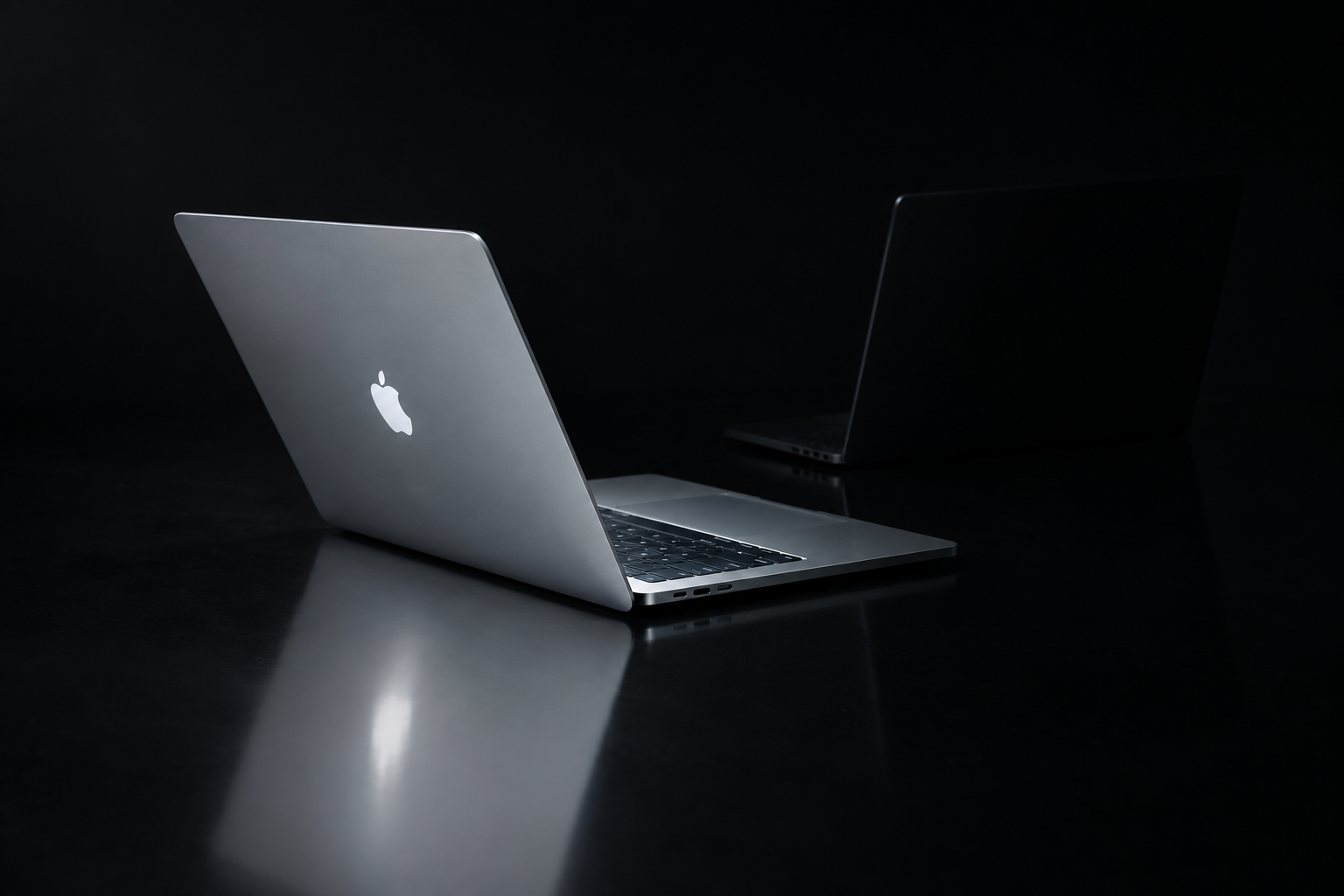 Value & Depreciation
Why MacBooks Hold Their Value Better Than Windows Laptops
Long software support, durable build, ecosystem pull, and steady demand keep used MacBooks worth far more than Windows laptops.
Sep 27, 2026 · 6 min read
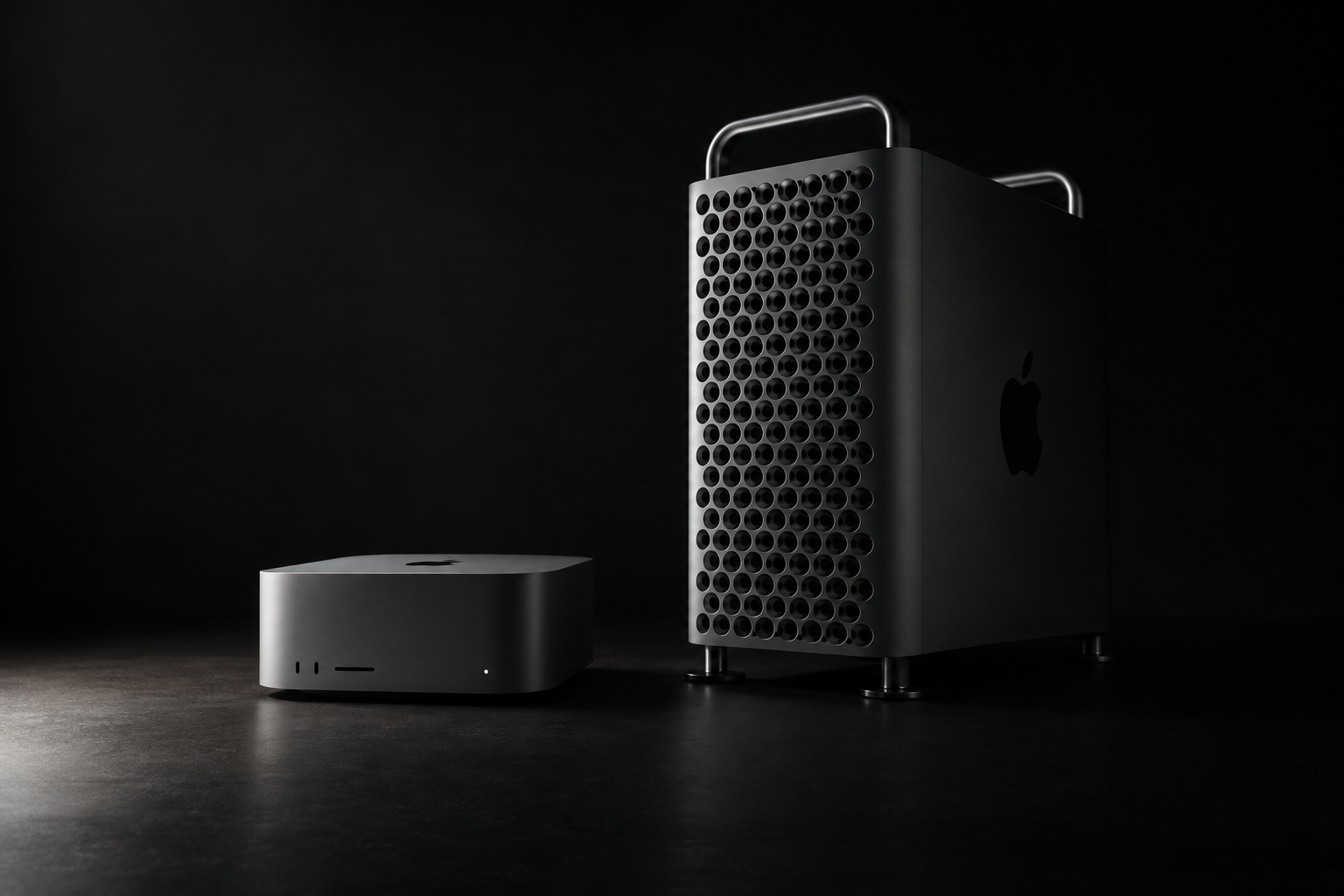 Value & Depreciation
Mac Studio vs Mac Pro: Which Holds Value Better?
Same silicon, very different depreciation: why the Mac Studio resells easily and the Mac Pro gives back more of its value.
Sep 27, 2026 · 6 min read
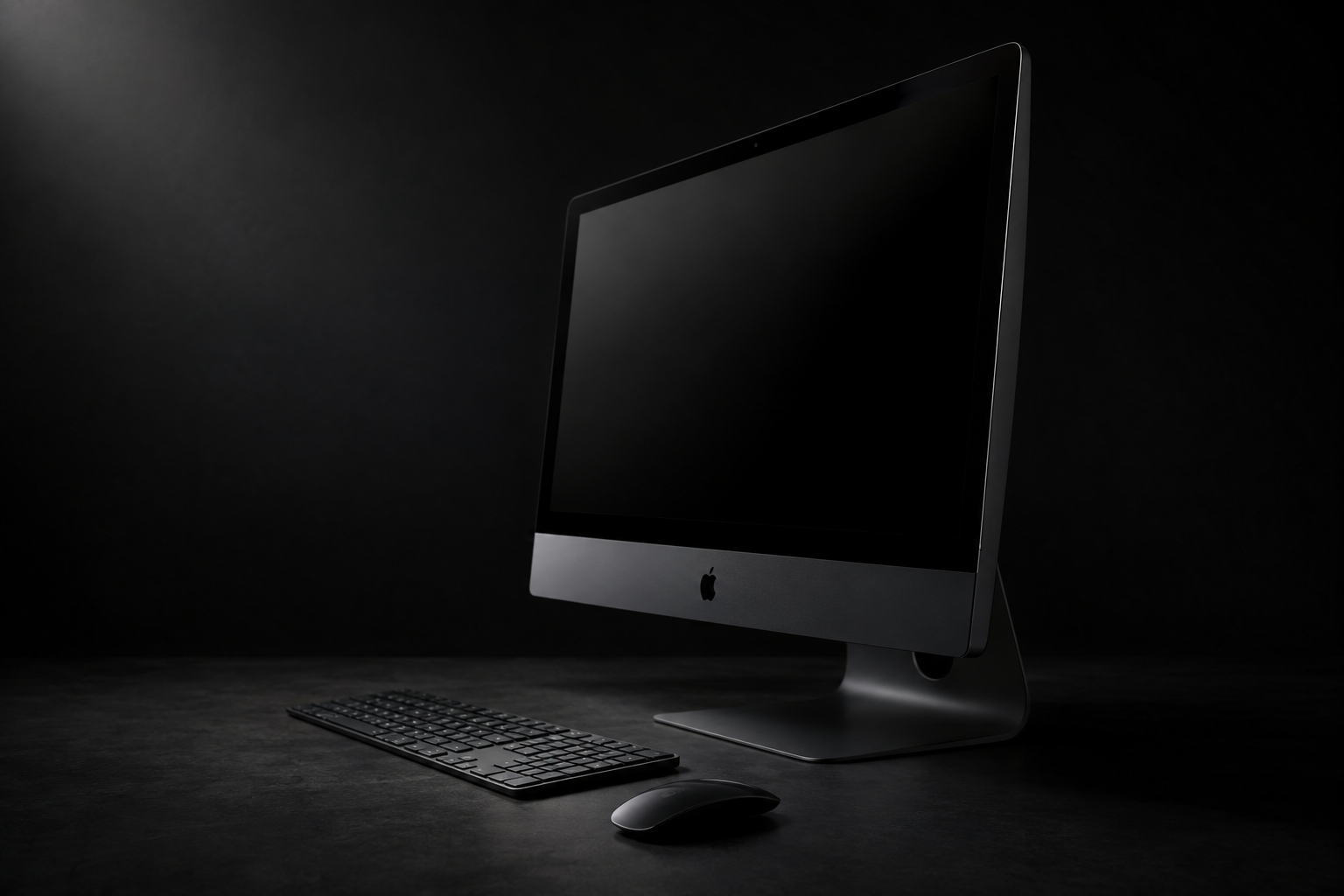 Value & Depreciation
The iMac Pro: An Orphaned Powerhouse's Second Life
Discontinued, now Intel-sunset, still capable: who the iMac Pro is for in 2026 and how to value one.
Sep 27, 2026 · 6 min read