What a 2019 16-inch MacBook Pro Is Worth Now
The last Intel 16-inch Pro fixed the keyboard and still does real work — but Apple Silicon and a macOS support clock decide what it's worth in 2026.
Encore Editorial · Sep 5, 2026 · 7 min read
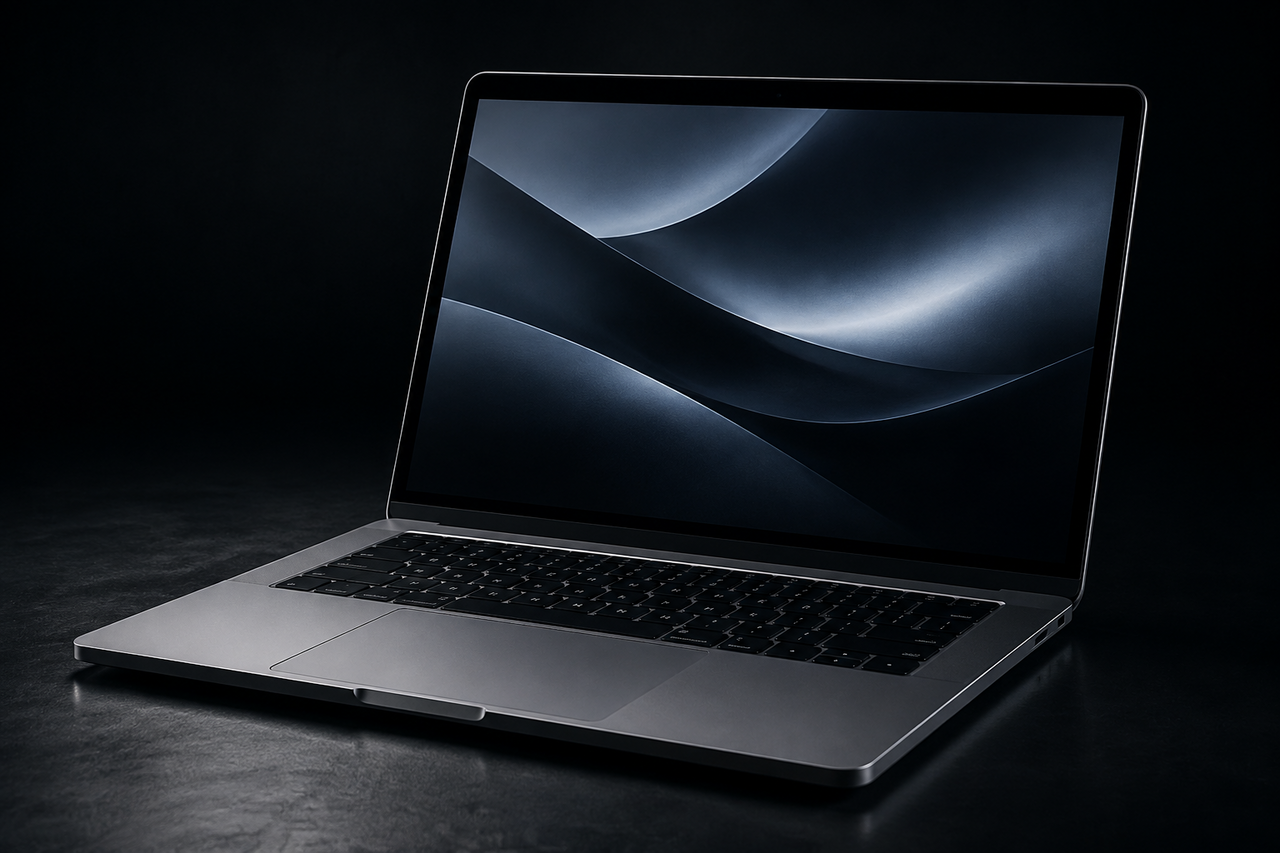
The 2019 16-inch MacBook Pro was, for a while, the machine Apple owed its most demanding customers. It buried the failed butterfly keyboard, gave the pro line a bigger, better screen, and topped out with serious silicon and storage. Seven years on, the question of what a 2019 16-inch MacBook Pro is worth now has a more complicated answer than its spec sheet suggests — because it was also the last of the Intel flagships, and that single fact has shaped its value more than anything else.
Here is an honest look at where this machine stands in 2026: what still makes it desirable, why it depreciated faster than the Apple Silicon Macs that followed, and the specific things that move its resale number up or down.
The Mac that fixed the keyboard
When it launched in late 2019, the 16-inch model was a genuine relief. It replaced Apple's troubled butterfly mechanism with a scissor-switch "Magic Keyboard," and reviewers were unambiguous about the upgrade. As Inverse noted in its review, "each key has travel again — 1mm compared to 0.7mm on the butterfly keys," and the Escape key returned as a physical button. iFixit praised the "deeper travel, softer sound, and a more robust design," noting there was finally "more space to tolerate debris within its movements" — the exact flaw that made the butterfly era so miserable.
The rest of the machine was built to last, too. It shipped with 9th-generation Intel Core i7 or i9 processors, discrete AMD Radeon Pro graphics, and — crucially for resale today — configurations that scaled to 64GB of RAM and up to 8TB of SSD storage. The thicker chassis also cooled better than the 2018 model it replaced; the Inverse review observed it "never got unbearably hot like the 2018 one did." For photographers, video editors, and developers, it was a legitimate workhorse.
Why the 2019 16-inch MacBook Pro is worth less than its age suggests
If this machine had been Apple Silicon, it would be holding its value beautifully. Instead, it landed less than a year before the M1 arrived and reset expectations for the entire lineup — and Intel Macs have been on the wrong side of that transition ever since.
The gap is real and measurable. According to a resale analysis from Gizmogo, Apple Silicon MacBooks "can retain about 55% to 75% of retail price after one year, and around 40% to 60% after two years," while Intel models "often fall below those ranges over the same period." The reasons are the ones you would expect: Intel machines "run hotter and use more power," they get shorter software support, and buyers now actively search for M1, M2, M3, and M4 models rather than Intel ones. The market treats a machine like this as capable but legacy — and it prices it accordingly.
The short version: the 2019 16-inch MacBook Pro is a great laptop that had the misfortune of being the last Intel flagship. Its value is set less by what it can do and more by the architecture it belongs to.
The macOS clock is the biggest single factor
The thing quietly capping this Mac's value is its software runway, and 2026 is the year it became concrete. Apple confirmed at WWDC 2025 that macOS 26 Tahoe is the final major macOS version for Intel-based Macs — and the 2019 16-inch MacBook Pro is one of the few Intel machines that even made Tahoe's compatibility list, alongside the 2020 13-inch MacBook Pro, the 2020 27-inch iMac, and the 2019 Mac Pro. As MacRumors reported, macOS 27 "will be compatible with Apple silicon Macs only," so this model has now received its last big feature update.
That is not the same as obsolete. As industry coverage explains, Intel systems will "continue to receive security updates for 3 years" after Tahoe, carrying safe use to roughly 2028, and because most developers support the last few macOS releases, a Tahoe machine stays practically usable for years beyond that. But buyers understand a closing window when they see one, and every month that passes shortens the runway a purchaser is paying for. There is a similar caveat around Rosetta 2 — Apple plans to keep only "a subset of Rosetta functionality aimed at supporting older unmaintained gaming titles" longer-term — which matters for anyone still running Intel-era apps.
Heat, fans, and battery versus what came next
The other reason this Mac slid is simply the comparison. Sit it next to an M-series MacBook Pro and the Intel machine runs hotter, spins its fans harder under load, and gets a fraction of the battery life. None of that was a flaw in 2019; all of it is a reason a 2026 buyer reaches for Apple Silicon first. That comparison is baked into what someone will pay for yours.
What still makes it useful
Depreciation is not the same as uselessness, and this machine has real life left. It runs a current, supported macOS today. Its screen, speakers, and build quality still hold up against anything Apple ships. For workflows that lean on x86 software, older plugins, or a specific bootable environment, an Intel Pro can be exactly the right tool. And a maxed-out configuration — high RAM, big SSD, the i9 and better Radeon — remains a capable editing and development machine for someone who does not need the newest chip.
What swings its resale value
Two identical-looking 2019 16-inch MacBook Pros can be worth meaningfully different amounts. The variables that matter most:
- RAM and storage. This is the biggest lever. A 32GB or 64GB machine with a 1TB-plus SSD sits in a different tier than a 16GB / 512GB base model — those top configurations are what pro buyers still want.
- Battery health. Cycle count and maximum capacity move the number more on Intel machines, where battery life was already the weak point. A battery flagged for service drags value down noticeably.
- Screen and chassis condition. Display uniformity, dead pixels, dents, and worn keycaps all read instantly to a buyer. Clean, unmarked units command the top of the range.
- The i7 vs i9 and graphics tier. The higher-core i9 and the upgraded Radeon Pro options carry a premium among people buying this specifically for horsepower.
- Timing. Gizmogo's analysis warns that waiting too long can cost "another 10% to 20% once buyers shift to the next M-series Mac." For a machine already on a support countdown, holding it is rarely free.
If you want the actual figure rather than a range, that is the one number worth getting precisely. Because this model's value depends so heavily on your exact RAM, storage, and battery health, a generic estimate will be off — the fastest way to know what your specific machine is worth is to see what it's worth as-is.
If you have a 2019 16-inch MacBook Pro sitting in a drawer, its value curve points down from here, not up. An instant offer takes about 30 seconds, covers high-spec and even damaged units, and tells you exactly where your machine stands before the next macOS cycle narrows the market further.
The bottom line
The 2019 16-inch MacBook Pro earned its reputation: it fixed the keyboard, it was built well, and a loaded configuration can still do real work in 2026. But it is an Intel machine on a stated support timeline, competing against Apple Silicon that is faster, cooler, and better supported. That combination means it holds less of its value than its build quality deserves — and, unlike the used Apple Silicon market, its trajectory only softens from here. If you are not using it, this is a machine where waiting tends to cost more than it saves.
Get an instant offer on your Mac
A real number in about 30 seconds — working or not. Free prepaid shipping, no seller fees, paid the day it arrives.*
Get my offerSources
- Inverse — 16-inch MacBook Pro review: the keyboard nightmare is finally over
- iFixit — The New MacBook Pro Keyboard is a Throwback in the Best Way
- MacRumors — macOS 27 Will Mark the End of an Era
- Production Expert — Intel Macs And macOS Tahoe: What The End Of Support Actually Means
- Gizmogo — M-Chip vs Intel MacBook: Which Models Hold More Resale Value?
More from Encore
 Value & Depreciation
Why MacBooks Hold Their Value Better Than Windows Laptops
Long software support, durable build, ecosystem pull, and steady demand keep used MacBooks worth far more than Windows laptops.
Sep 27, 2026 · 6 min read
 Value & Depreciation
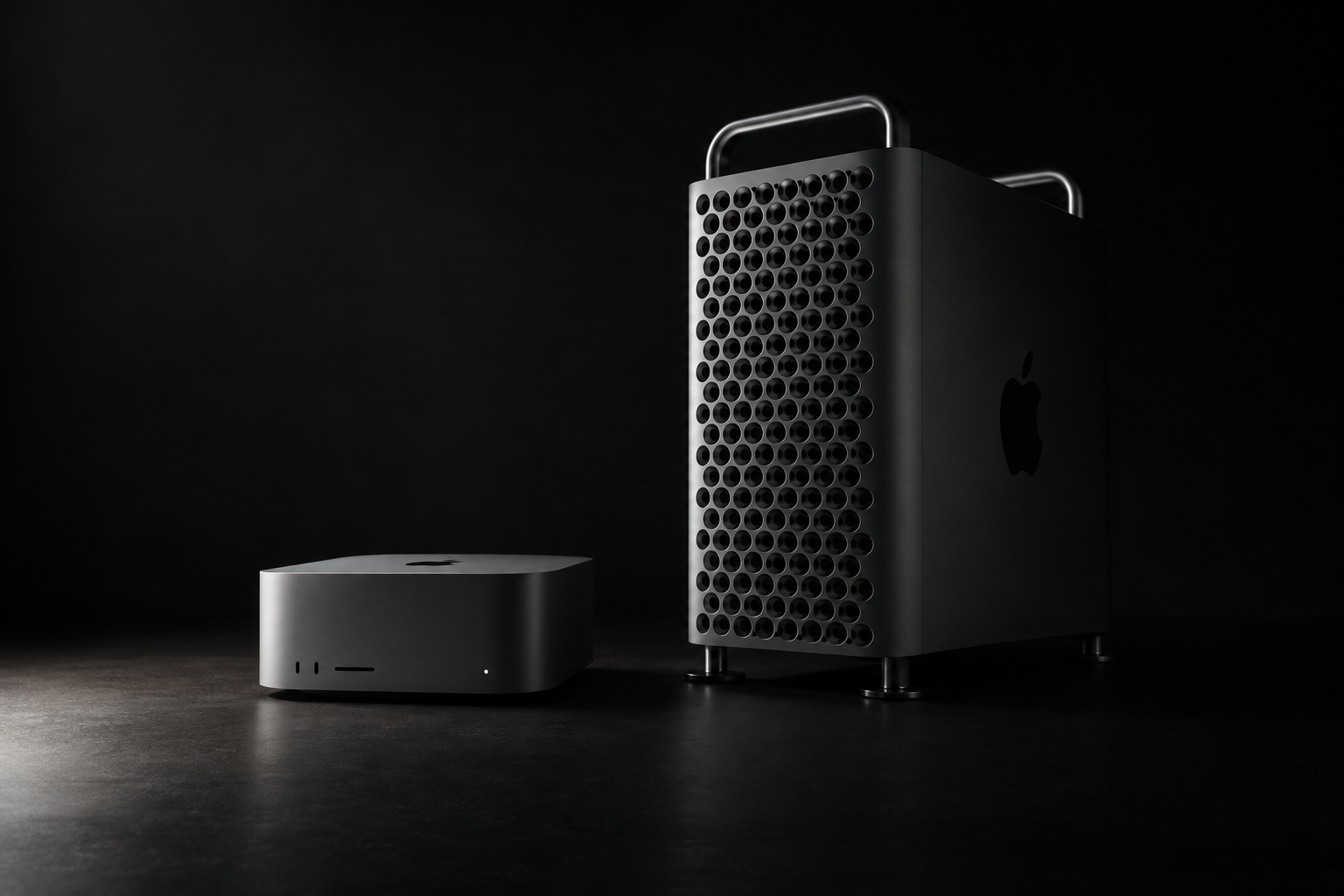
Mac Studio vs Mac Pro: Which Holds Value Better?
Same silicon, very different depreciation: why the Mac Studio resells easily and the Mac Pro gives back more of its value.
Sep 27, 2026 · 6 min read
 Value & Depreciation
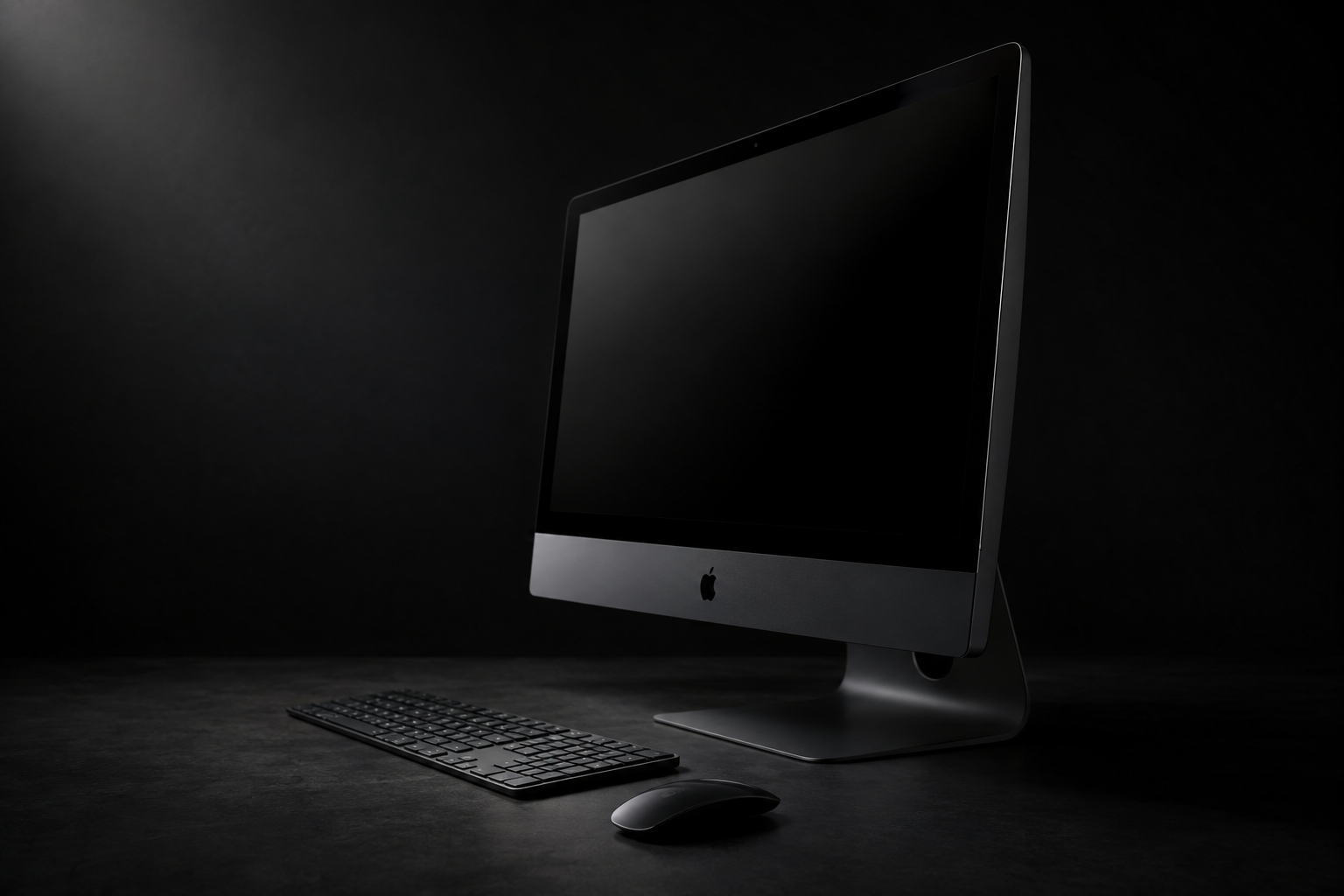
The iMac Pro: An Orphaned Powerhouse's Second Life
Discontinued, now Intel-sunset, still capable: who the iMac Pro is for in 2026 and how to value one.
Sep 27, 2026 · 6 min read