What a 2017 MacBook Pro Would Have Fetched in 2021 vs. Now
A 2017 MacBook Pro should be near the bottom of its depreciation curve by now — but a memory shortage and higher new prices have quietly propped older Macs back up.
Encore Editorial · Sep 9, 2026 · 6 min read
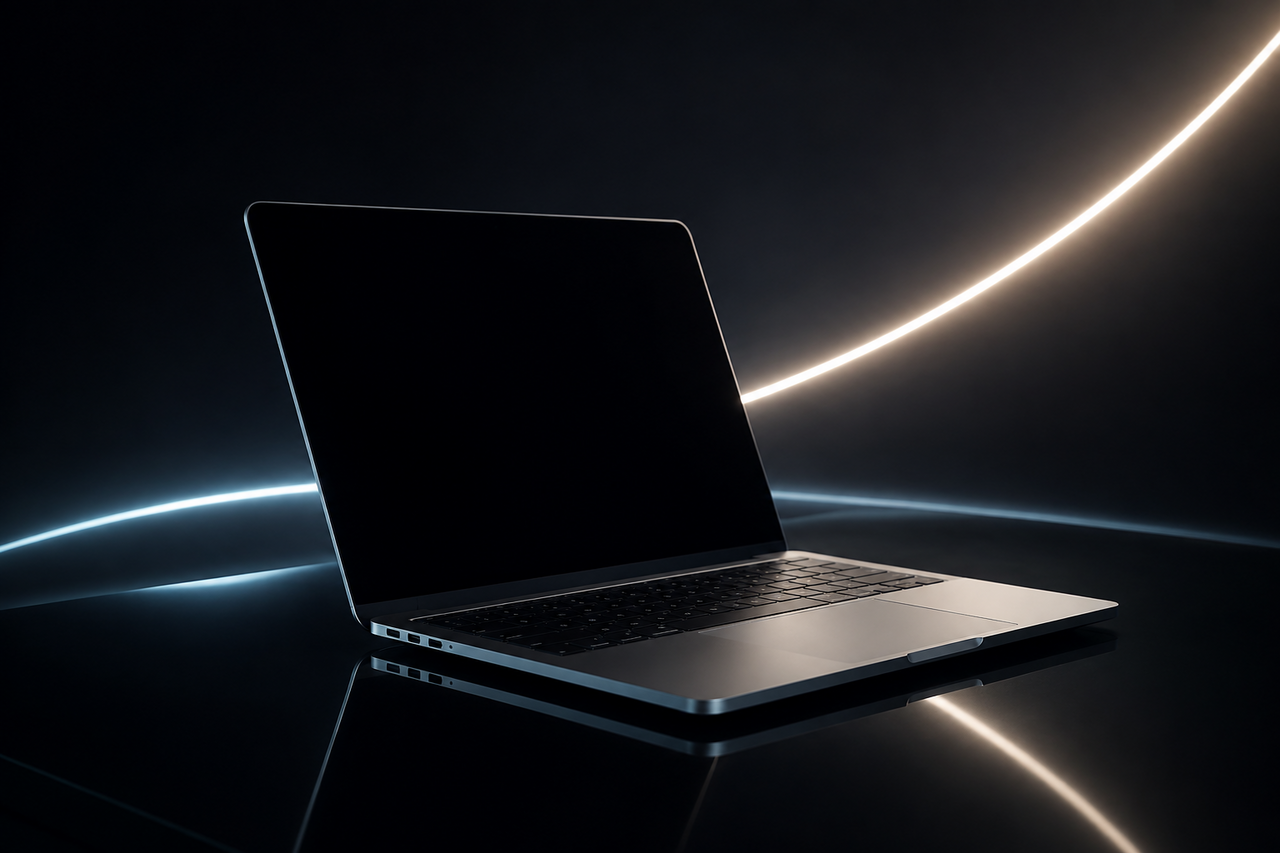
Picture the normal life of a 2017 MacBook Pro. By 2021 it was already a few years old, comfortably surpassed by newer models, and drifting down its depreciation curve exactly the way laptops are supposed to — each year worth a bit less than the last. Fast-forward to now, and something odd has happened. A machine that ought to be scraping the bottom of that curve is instead holding up better than the usual math predicts. The reason has almost nothing to do with the laptop itself and everything to do with what has happened to the price of everything around it.
The curve laptops are supposed to follow
Consumer laptops depreciate steeply and predictably. The steepest drop comes early, then the decline flattens into a long tail as the machine ages out of relevance. Under that ordinary pattern, a 2017 MacBook Pro today would be a budget-tier used machine — still useful, but priced like an old laptop, worth a fraction of what it once commanded. For most of the past decade, that is precisely what would have happened. A 2017 model in 2021 was already well down the slope; a few more years should have pushed it much lower still.
That is the baseline expectation. What broke it is a set of forces that reached back up the curve and lifted the whole used market with them.
Why the floor moved up
The first force is a global memory shortage. Surging demand for memory chips — driven largely by AI data centers competing for the same supply — has squeezed the market hard, and IDC's analysis of the global memory shortage crisis and its potential impact in 2026 lays out how contract memory prices have climbed steeply and how that pressure ripples through the entire PC market. When the components inside new machines get more expensive, the finished machines follow.
The second force is Apple's response. As Prime Tech Support documents, Apple raised MacBook prices in 2026 and Macs now cost more. When the new machine at the top of the ladder gets pricier, every rung below it — including years-old used models — becomes relatively more attractive, because the gap a buyer saves by going used just got wider.
Put those together and you get a market where the usual downward pull on old Macs is being counteracted by an upward pull on the entire price structure. Techable's look at why the Mac resale market is growing in 2026 ties the threads together: pricier new machines and scarce memory mean used and refurbished Macs are holding or rising in value instead of depreciating on the normal schedule.
The depreciation curve got propped up from below. A 2017 MacBook Pro should be near the bottom of its value by now. Instead, a memory shortage and higher new-Mac prices have lifted the entire used market, so older machines are holding value far better than the ordinary curve would predict.
The demand signal is real
This is not just a supply-side story about costs; buyers are actively voting with their wallets. When Apple's prices went up, shoppers pivoted hard toward the used and refurbished market. Back Market reported that refurbished MacBook demand surged more than 40% week over week after the Apple price hike. That kind of jump tells you the interest is broad and immediate — exactly the conditions that keep older machines like a 2017 Pro moving instead of gathering dust.
2021 logic vs. now
| Factor | Back in 2021 | Now |
|---|---|---|
| Depreciation pull | Normal, steady decline | Same age pull, but offset from below |
| New-Mac prices | Stable reference point | Higher, widening the used-vs-new gap |
| Memory / component costs | Ordinary | Squeezed by a global shortage |
| Buyer demand for used | Steady | Surging toward refurbished machines |
| Net effect on an old Pro | Worth notably less each year | Holding up better than the curve predicts |
What this means if you own one
If you have an older MacBook Pro sitting in a drawer, the counterintuitive truth is that this is an unusually favorable moment to sell it — not despite its age, but because the wider market has temporarily rewritten the rules for old Macs. Analysts do not expect the memory squeeze to ease meaningfully in the near term, so the propped-up floor may hold for a while, but it is a market condition, not a law of nature. Betting that it lasts indefinitely is riskier than capturing it while it is clearly here.
The honest caveat is that a machine this old, especially with an older battery or worn storage, can be a slow sell to a private buyer even in a hot market. That is where a direct buyer takes the friction out. Encore gives you an instant online offer in about 30 seconds, a free prepaid, insured shipping label, and payment once the Mac arrives — the offer you accept is the offer you are paid. It buys older machines and even broken units, so a well-worn 2017 Pro is genuinely welcome, with no stranger to meet and no postage to buy. It will not always beat a perfect private sale on headline price, but it removes the hassle and the risk while the market is unusually kind to older Macs. It takes only a moment to see what your MacBook Pro is worth right now.
Get an instant offer on your Mac
A real number in about 30 seconds — working or not. Free prepaid shipping, no seller fees, paid the day it arrives.*
Get my offerSources
- Techable News — Why the Mac Resale Market Is Growing in 2026
- Back Market — Refurbished MacBook and iPad Demand Surges After Apple Price Hike
- IDC — Global Memory Shortage Crisis: Market Analysis and Potential Impact in 2026
- Prime Tech Support — Apple Just Raised MacBook Prices: Why Macs Cost More in 2026
More from Encore
 Value & Depreciation
Why MacBooks Hold Their Value Better Than Windows Laptops
Long software support, durable build, ecosystem pull, and steady demand keep used MacBooks worth far more than Windows laptops.
Sep 27, 2026 · 6 min read
 Value & Depreciation
Mac Studio vs Mac Pro: Which Holds Value Better?
Same silicon, very different depreciation: why the Mac Studio resells easily and the Mac Pro gives back more of its value.
Sep 27, 2026 · 6 min read
 Value & Depreciation
The iMac Pro: An Orphaned Powerhouse's Second Life
Discontinued, now Intel-sunset, still capable: who the iMac Pro is for in 2026 and how to value one.
Sep 27, 2026 · 6 min read