Touch Bar MacBook Pro Resale Value
The Touch Bar-era MacBook Pro is a discontinued oddity, but a strong used market and Apple's own longevity mean these machines still hold real resale value — here's what drives it.
Encore Editorial · Sep 12, 2026 · 6 min read
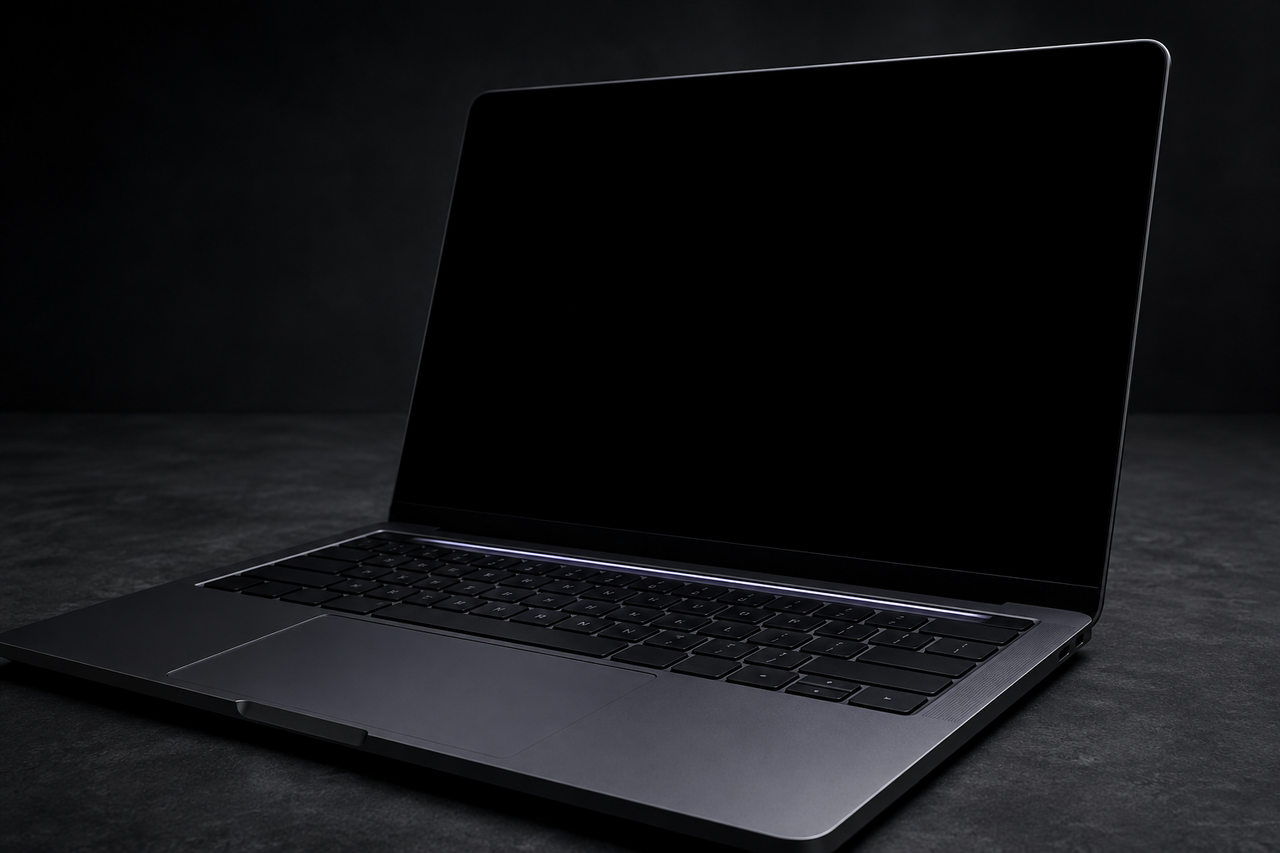
For a stretch of years, nearly every MacBook Pro shipped with a thin OLED strip above the keyboard where the function keys used to be. The Touch Bar was Apple's bet on a context-sensitive touch control, and it defined an entire era of the Pro line before the company quietly retired it and brought back physical function keys. If you own one of those Touch Bar machines, you might assume a discontinued gimmick means a machine nobody wants. The used market says otherwise — with some important nuance about which Touch Bar Pro you actually have.
Two very different machines wore the same Touch Bar
The single biggest factor in a Touch Bar MacBook Pro's value has nothing to do with the Touch Bar. It's what's inside. The Touch Bar spanned both the Intel years and the very first wave of Apple Silicon, so 'Touch Bar MacBook Pro' can mean two quite different computers:
- Intel Touch Bar Pros — the earlier and more common group. Capable machines, but on the trailing edge of software support and excluded from Apple's newest AI features.
- Early Apple Silicon Touch Bar Pros — the M-series 13-inch models that kept the Touch Bar for a while. These are firmly modern machines that still run current software and the on-device AI features.
Sorting which one you have is the first step to understanding its worth, because their resale trajectories are diverging even as they look nearly identical from the outside.
The Touch Bar barely moves the price — the chip does. An early Apple Silicon Touch Bar Pro holds value like a modern machine; an Intel one is valued as a capable but aging computer. Identify which you own before you judge what it's worth.
Why these machines still sell well
Whatever era it's from, a Touch Bar Pro benefits from the same thing propping up the whole used-Mac market. Techable's analysis of why the Mac resale market is growing in 2026 attributes the strength to pricier new machines and a memory shortage keeping used Macs holding their value rather than depreciating on the usual curve. When new hardware costs more, an established, dependable used Pro looks like a smart buy — and that supports prices even for older configurations.
Durability helps too. As BGR reported, refurbished MacBook Pros last so well that they're cannibalizing sales of new laptops. A Touch Bar Pro that's been looked after can still handle everyday work and plenty of demanding tasks, so buyers seeking a proven, affordable Pro actively shop for them. Longevity is the quiet reason a 'discontinued' machine still commands real money.
What drives a Touch Bar Pro's price
| Factor | Effect on value |
|---|---|
| Chip (Apple Silicon vs. Intel) | Biggest single factor — Apple Silicon holds value far better |
| Memory and storage tier | Fixed at the factory, so higher tiers command a premium |
| Condition and battery health | Clean, healthy units sell fastest |
| Signed out and unlocked | Non-negotiable — a locked Mac can't be resold at all |
| The Touch Bar itself | Minimal; it's a footnote to buyers, not a selling point |
The honest outlook, especially for Intel units
Here's the part worth being straight about. The Intel Touch Bar Pros are on a clock. They still work fine and still sell, but Apple's software support for Intel Macs is winding down, and each passing year narrows what they can run. That doesn't make them worthless — the strong market means they're very sellable today — but it does mean their value is more likely to erode than to hold. If you're sitting on an Intel Touch Bar Pro you're no longer using, the case for selling while the market is hot and the software is still supported is a real one.
The early Apple Silicon Touch Bar Pros are in a much calmer spot: current software, AI features, and durable demand. There's less urgency, but also a genuinely strong number available if you're ready to move on.
Turning a Touch Bar Pro into cash cleanly
The tricky thing about selling any Touch Bar Pro privately is convincing a buyer exactly which machine it is — Intel or Apple Silicon, which memory tier — and then dealing with the usual shipping-and-strangers routine for a machine that's valuable but not brand-new. That's the friction a dedicated buyer removes. With Encore you get an instant online offer in about 30 seconds that reflects your exact model and specs, a free prepaid insured label, and payment once it arrives — the offer you accept is the offer you're paid. Encore buys broken units too, so a Touch Bar Pro with a bad battery, a flaky Touch Bar, or worse still has a clear path to a fair offer.
To be fair, a patient private sale to the right buyer can sometimes edge out a higher headline price, particularly on a clean high-spec Apple Silicon unit. What Encore trades that for is speed and certainty with no chargeback risk and no meetup. If you're not sure whether your Touch Bar Pro is worth listing yourself, it's worth getting an instant offer first and deciding from a real number.
Get an instant offer on your Mac
A real number in about 30 seconds — working or not. Free prepaid shipping, no seller fees, paid the day it arrives.*
Get my offerSources
More from Encore
 Value & Depreciation
Why MacBooks Hold Their Value Better Than Windows Laptops
Long software support, durable build, ecosystem pull, and steady demand keep used MacBooks worth far more than Windows laptops.
Sep 27, 2026 · 6 min read
 Value & Depreciation
Mac Studio vs Mac Pro: Which Holds Value Better?
Same silicon, very different depreciation: why the Mac Studio resells easily and the Mac Pro gives back more of its value.
Sep 27, 2026 · 6 min read
 Value & Depreciation
The iMac Pro: An Orphaned Powerhouse's Second Life
Discontinued, now Intel-sunset, still capable: who the iMac Pro is for in 2026 and how to value one.
Sep 27, 2026 · 6 min read