The MacBook Retina Era: What Still Has Value
As Golden Gate ends Intel support, here's which Retina MacBooks still sell and which have aged into donation territory.
Encore Editorial · Sep 27, 2026 · 6 min read
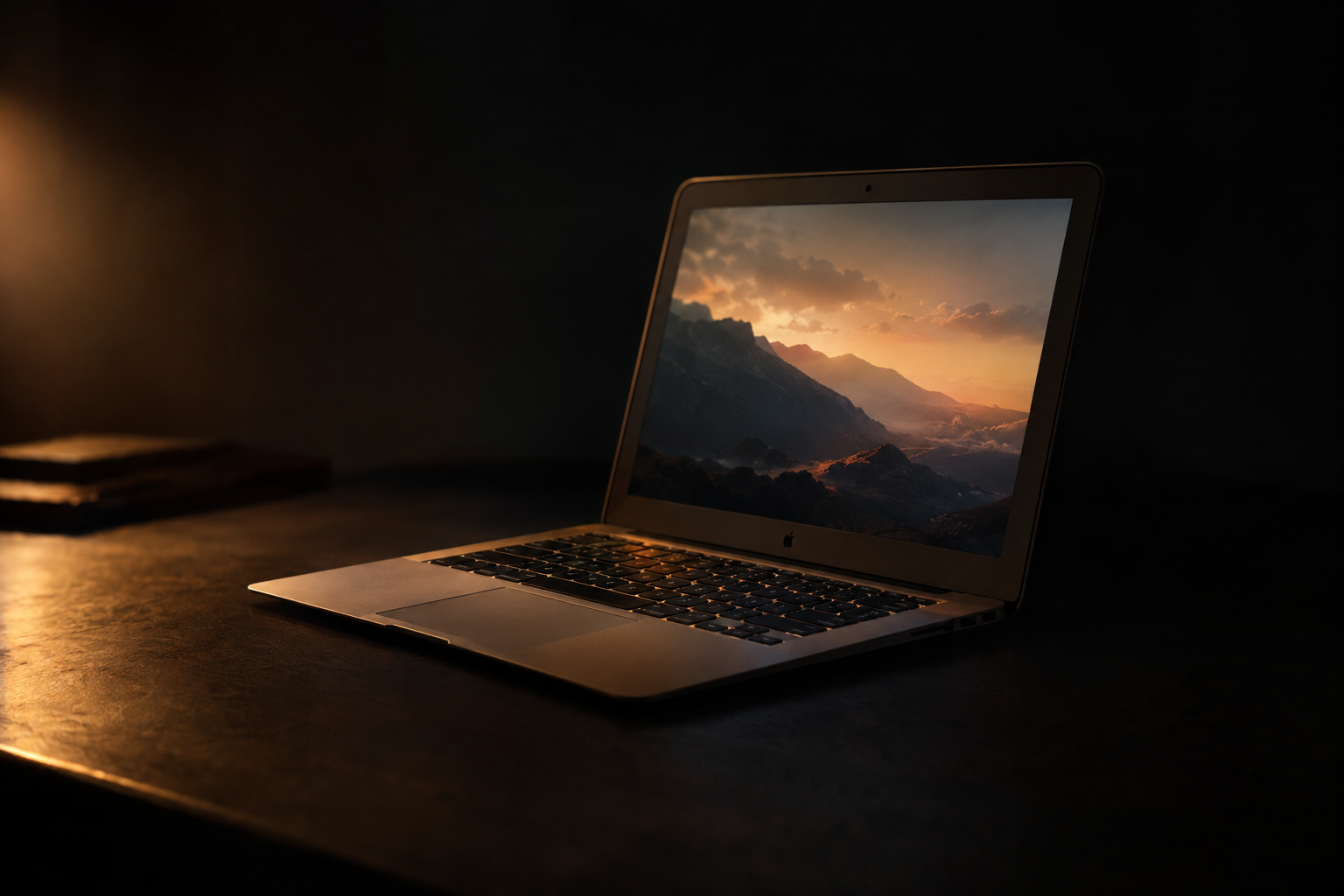
The MacBook Retina era was one of the longest and most consequential stretches in Apple's laptop history. It started in 2012 with the first Retina MacBook Pro, ran through the ultra-thin 12-inch MacBook and the divisive butterfly-keyboard Pros, and only truly closed when Apple Silicon took over. Every one of those machines was Intel-based, and with the arrival of macOS 27 "Golden Gate," the software runway for the whole era has finally run out. That makes now a sensible moment to ask a practical question: of all these Retina Macs, which still have real value, and which have quietly crossed into donation or recycling territory?
The answer is less about age and more about two things Apple controls: how recently a machine was sold, and how long its operating system stays current. Both of those clocks have just ticked forward in a big way.
Why the MacBook Retina era just lost its runway
macOS 27 Golden Gate shipped on September 14, 2026, and as MacRumors reported, it "is not compatible with any Macs with Intel processors, marking the end of an era." The last four Intel machines that could run the previous release but not Golden Gate were the 13-inch MacBook Pro (2020, four Thunderbolt 3 ports), the 16-inch MacBook Pro (2019), the 27-inch iMac (2020), and the 2019 Mac Pro. Apple has said Intel Macs will keep getting security updates for about three more years, and Golden Gate is also the last release to include the full Rosetta 2 translation layer.
For the older half of the Retina lineup, the calendar had already moved on. Apple classifies a product as vintage once it has been out of sale for more than five years, and obsolete after more than seven, at which point authorized repairs generally stop. When Apple last refreshed those lists, as MacRumors detailed, the 12-inch Retina MacBook (Early 2016), the Retina 13-inch MacBook Pro (Early 2015), and the 2015 Retina iMacs were all moved to obsolete, while the 2017 and 2018 13-inch Pros became vintage.
The short version: The Retina Macs still worth money are the newest, best-specced Intel machines with a few years of security updates left. The oldest ones — anything already obsolete — are closer to donation, parts, or recycling than resale.
What still holds value
Value in the Retina era now concentrates at the top and the end of the timeline. A few patterns hold up:
- The last Intel flagships. The 16-inch MacBook Pro (2019) and the 13-inch 2020 four-port model were the final Intel laptops standing. They have the most remaining software support, the best displays and keyboards of the era, and enough power to stay useful for real work. They command the strongest residuals of any Retina machine.
- Higher configurations. Within a given model, more RAM, a larger SSD, and a discrete GPU still separate a desirable unit from a throwaway one. A well-specced 2019 15- or 16-inch Pro is a different proposition from a base 8GB model.
- Clean condition and the original accessories. A machine with a healthy battery, an unmarked chassis, and its original charger simply sells better. The charger in particular tends to add more than the box.
- Working units, period. Because these are now the affordable entry point into macOS, a fully functional Retina Mac still has a buyer, even if the ceiling on what it fetches keeps dropping.
There is also a repair-and-refurbish market that keeps even damaged units in play. A cracked screen or a dead battery does not zero out a machine that is otherwise desirable; it just shifts who the buyer is. If you are unsure where a specific model and configuration lands, an instant offer takes about thirty seconds and tells you the real number without guesswork.
The butterfly-keyboard complication
The middle of the Retina era carries an asterisk. The 2016 redesign introduced the butterfly keyboard, which, as 9to5Mac has noted, debuted on the 12-inch MacBook alongside USB-C and a fanless design. The mechanism proved unreliable enough to trigger a class-action settlement and a multi-year Apple repair program, and Apple eventually abandoned it across the entire line. Buyers know this. A 2016–2019 Pro that has never had its keyboard serviced is a harder sell than its spec sheet suggests, and that reputation drags on resale even for units that work perfectly.
What has crossed into donation territory
At the other end sit the machines where the effort of selling rarely pays off. The 12-inch Retina MacBook is the clearest example: it was underpowered even when new — a single USB-C port, a Core M chip, that troubled keyboard — and it is now obsolete, out of Apple's repair window, and cut off from new macOS. Early Retina MacBook Pros from 2012 through 2015 are in the same category, as are the 2015 Retina iMacs.
That does not make them worthless, but it changes the calculus. Options worth weighing:
- Sell as-is while it still boots. Even an obsolete Mac has residual value as a light-duty machine or for parts, and letting a working unit go now beats holding it as the value erodes.
- Donate to a school or nonprofit. A machine that can still browse, write, and run older software has genuine classroom life left, especially with a lightweight Linux install once macOS falls behind.
- Recycle responsibly. If a unit is truly dead, Apple and municipal e-waste programs will take it. Never toss a lithium battery in the trash.
Whatever you choose, do it with the account cleared. Sign out of your Apple ID, turn off Find My, and erase the drive first — that applies whether the machine is heading to a buyer, a charity, or a recycler.
How to place your own Retina Mac
To sort your machine quickly, work through three questions in order. First, is it on Apple's obsolete list? If so, treat it as donation or parts unless it is in exceptional shape. Second, is it one of the last Intel models — a 2019 or 2020 Pro — with a few years of updates left? Those are the keepers and the sellers. Third, does it still have its charger and a healthy battery? Those details move a Retina Mac from "hard to sell" to "easy."
The bottom line
The MacBook Retina era defined a decade of Apple laptops, but Golden Gate has drawn a firm line under it. The newest, best-equipped Intel machines still carry real value and a few years of useful life; the oldest have aged into obsolete status where donating, recycling, or a quick as-is sale makes far more sense than holding on. The trap is treating them all the same. Sort by how recently the model was sold and how much support it has left, and the right move — sell, give, or recycle — usually becomes obvious.
Get an instant offer on your Mac
A real number in about 30 seconds — working or not. Free prepaid shipping, no seller fees, paid the day it arrives.*
Get my offerSources
More from Encore
 Value & Depreciation
Why MacBooks Hold Their Value Better Than Windows Laptops
Long software support, durable build, ecosystem pull, and steady demand keep used MacBooks worth far more than Windows laptops.
Sep 27, 2026 · 6 min read
 Value & Depreciation
Mac Studio vs Mac Pro: Which Holds Value Better?
Same silicon, very different depreciation: why the Mac Studio resells easily and the Mac Pro gives back more of its value.
Sep 27, 2026 · 6 min read
 Value & Depreciation
The iMac Pro: An Orphaned Powerhouse's Second Life
Discontinued, now Intel-sunset, still capable: who the iMac Pro is for in 2026 and how to value one.
Sep 27, 2026 · 6 min read