The Mac mini Is the Quiet Value King of Apple Silicon
The cheapest way into an M-series desktop delivers pro-grade performance and holds value well, if you bring your own display, keyboard, and mouse.
Encore Editorial · Sep 26, 2026 · 6 min read
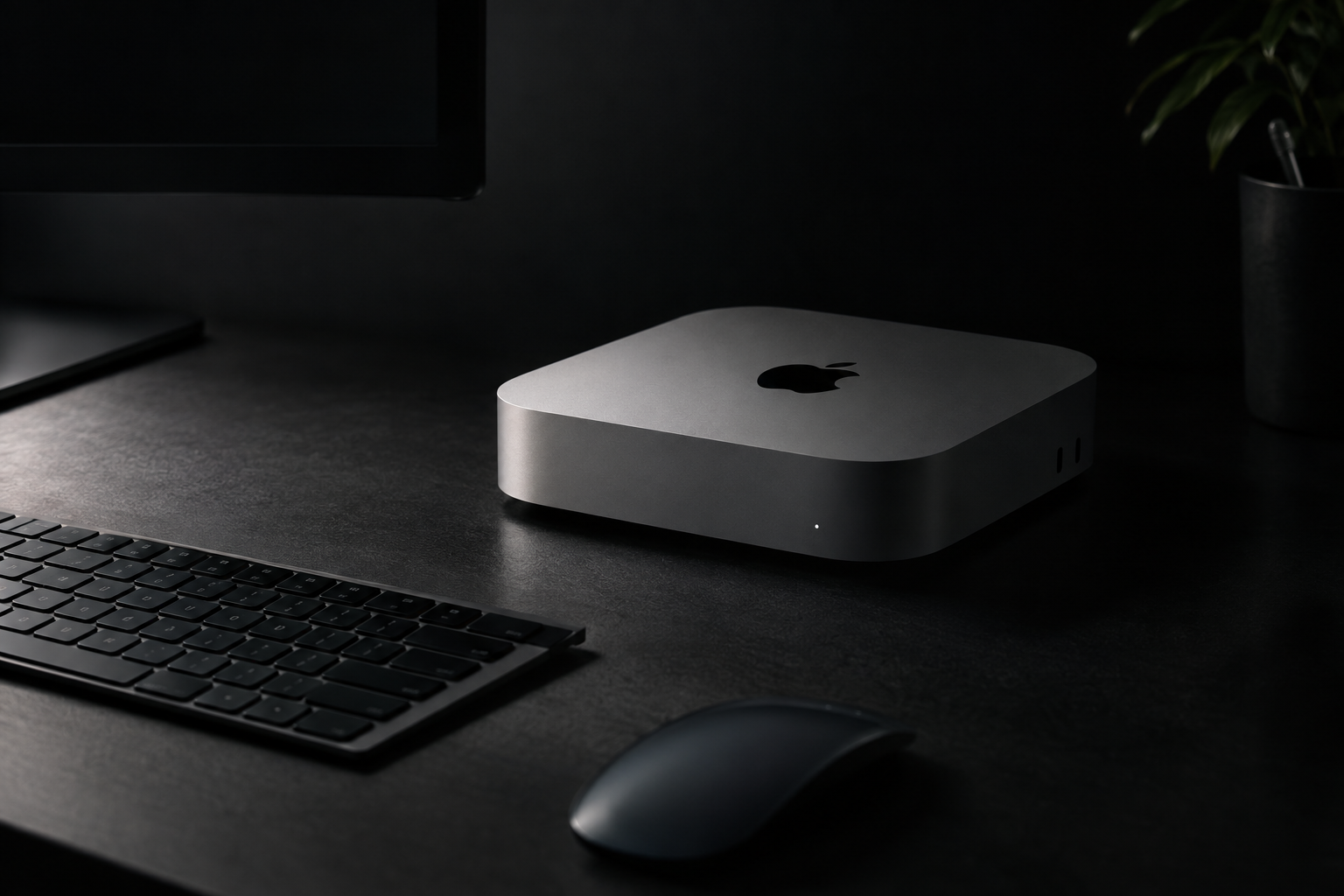
Apple's flashiest machines get the headlines, but the smartest value in the lineup has always sat quietly in the corner. The Mac mini is the quiet value king of Apple Silicon: the cheapest way into an M-series desktop, a strong performer well beyond its size, and a machine that holds up on the used market for reasons the spotlight models can't match. If you already own a display, keyboard, and mouse, no other Mac gives you as much capability for as little.
That value story runs in both directions. The Mac mini is the shrewd machine to buy, new or used, and — because the same traits keep demand firm — it's a machine that returns a fair share of its value when you're done with it.
The short version: The Mac mini is Apple's most affordable desktop, delivers pro-grade performance for far less than a comparably specced MacBook, and holds value well thanks to slow Mac depreciation and fixed memory. Its bring-your-own-peripherals design is the catch and the appeal at once.
Why the Mac mini is Apple Silicon's value king
The Mac mini's core advantage is that you pay for the computer and nothing else. As Macworld puts it, the mini is a "BYODKM — Bring Your Own Display, Keyboard and Mouse" machine, which makes it "particularly appealing if you already own those accessories." A laptop bakes a screen, battery, and keyboard into every purchase; the mini strips all of that out and hands you just the silicon. For anyone with a monitor already on the desk, that's the difference between paying for a whole computer and paying for a whole computer plus parts you don't need.
And the silicon is not a compromise. Macworld notes the current mini "delivers impressive performance for everyday computing, creative work, software development, and local AI tasks," offering "professional-grade performance for significantly less cash than a similarly specced MacBook Pro." The same M-series chip that costs a premium in a laptop shell costs less in a mini, because you're not subsidizing a display and battery to get it. That's the whole value thesis in one line.
Why it holds up on the used market
Cheap-to-buy is only half of "value king." The other half is that the Mac mini doesn't crater in value the way budget hardware usually does. That's partly the Mac effect in general: Macworld observes that Apple's depreciation "is not nearly as high as with Windows PCs," and long macOS support plus extra years of security updates can stretch a machine's useful life toward eight to ten years. A desktop that stays current for the better part of a decade is one the secondhand market keeps wanting.
The mini also benefits from the memory dynamic that props up every Apple Silicon Mac. Because unified memory is soldered and, as AppleInsider explains, "there's no way to upgrade the RAM later, except to replace the CPU," a mini ordered with generous memory carries that upgrade permanently. A used buyer who needs more memory can't add it to a base unit; they have to buy one that already has it. That keeps well-specced minis in demand and firms up their resale.
There's a subtler durability point, too. Because the mini has no battery to degrade and no built-in display to scratch or develop defects, the two components that most often drag down a laptop's resale value simply aren't there. A mini that's been sitting on a desk is usually in far better cosmetic and functional shape than a laptop of the same age that's been carried everywhere.
The catch worth naming
The bring-your-own-peripherals model is the mini's strength and its one real limitation. If you don't already own a display, keyboard, and mouse, the "cheapest Mac" can end up costing more than it looks once you outfit it — and for someone who needs portability, a desktop is simply the wrong tool. The mini wins specifically for the desk-bound buyer who already has the accessories, or is happy to reuse what they've got. For everyone else, the math changes.
A few things to weigh if you're considering one:
- Do you have a monitor and peripherals? If yes, the value case is strong. If no, factor those in honestly.
- Buy the memory you'll need. Since RAM can't be added later, lean higher rather than to the base spec.
- Consider a used or prior-generation mini. The slow depreciation that helps sellers also means a recent used mini can be an excellent buy.
- Match the chip to the work. The standard M-series mini covers most people; step up only if your workload genuinely demands it.
The flip side for owners
Everything that makes the mini a smart buy also makes it a good machine to sell when you upgrade. The batteryless, screenless design means fewer things have aged; the fixed memory means a well-specced unit is still in demand; and the general Mac support runway means it isn't obsolete just because a new chip shipped. If you've replaced a mini and the old one is gathering dust behind the monitor, it likely holds more value than its age suggests — it takes about thirty seconds to see what a Mac mini is worth and decide whether to move it while demand is firm.
The bottom line
The Mac mini is the quiet value king of Apple Silicon because it does one thing exceptionally well: it delivers M-series performance without charging you for a screen and battery you may not need. It's the cheapest route into a Mac desktop, it holds its value thanks to slow depreciation and non-upgradable memory, and its lack of a battery or built-in display means fewer parts to wear out. Bring your own display, buy the memory you'll want to keep, and few machines in Apple's lineup stretch a budget further — coming or going.
Get an instant offer on your Mac
A real number in about 30 seconds — working or not. Free prepaid shipping, no seller fees, paid the day it arrives.*
Get my offerSources
More from Encore
 Value & Depreciation
Why MacBooks Hold Their Value Better Than Windows Laptops
Long software support, durable build, ecosystem pull, and steady demand keep used MacBooks worth far more than Windows laptops.
Sep 27, 2026 · 6 min read
 Value & Depreciation
Mac Studio vs Mac Pro: Which Holds Value Better?
Same silicon, very different depreciation: why the Mac Studio resells easily and the Mac Pro gives back more of its value.
Sep 27, 2026 · 6 min read
 Value & Depreciation
The iMac Pro: An Orphaned Powerhouse's Second Life
Discontinued, now Intel-sunset, still capable: who the iMac Pro is for in 2026 and how to value one.
Sep 27, 2026 · 6 min read