Is the 12-inch MacBook Worth Anything in 2026?
The fanless one-port MacBook is obsolete and off macOS in 2026 — but between niche demand and parts value, it's a long way from worthless.
Encore Editorial · Sep 8, 2026 · 6 min read
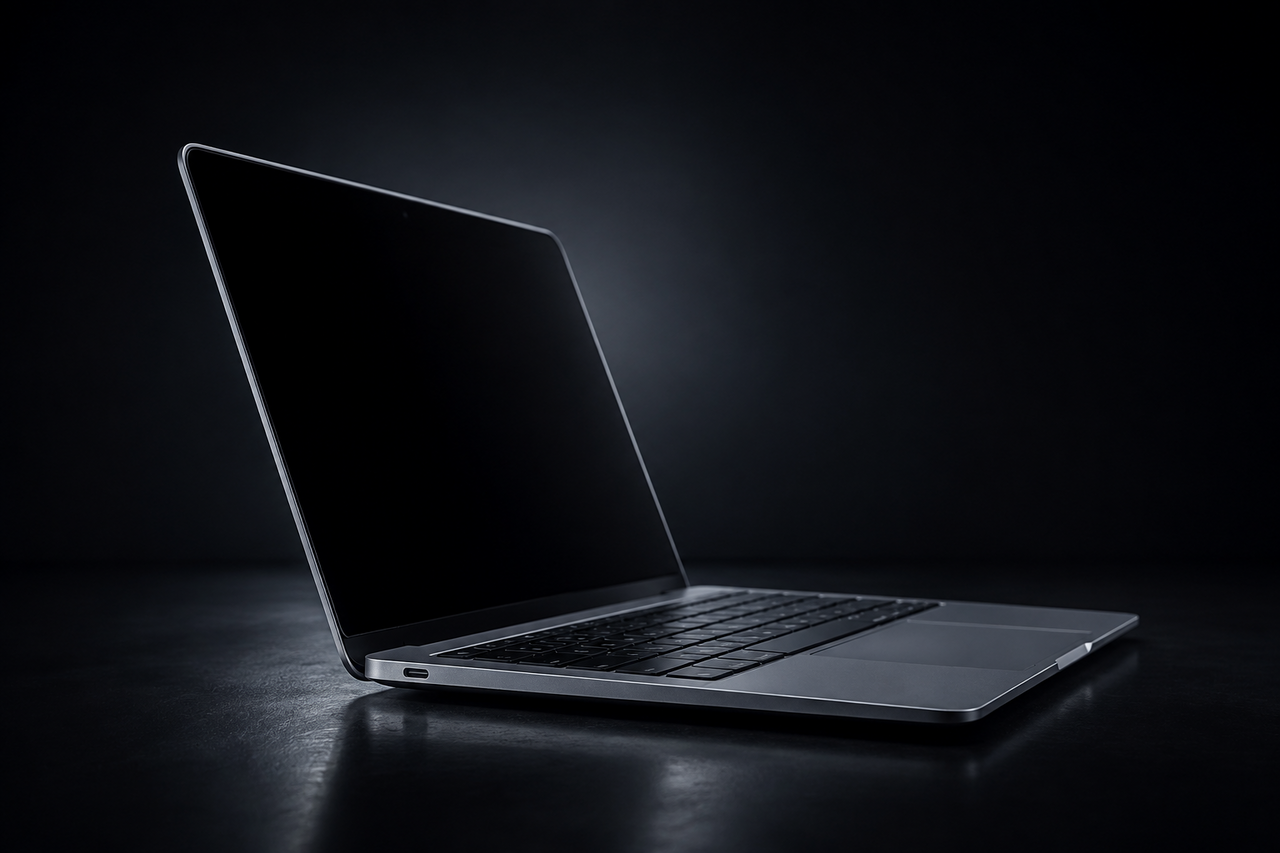
The 12-inch MacBook was Apple's boldest ultraportable — a fanless, nearly weightless slab of aluminum that arrived in 2015 with a single port and a promise about where laptops were headed. A decade later, the obvious question is whether the 12-inch MacBook is worth anything in 2026, now that it has been discontinued for years, dropped off macOS, and become a footnote in the keyboard saga it helped start. The honest answer is more interesting than "no."
It's worth separating two things that tend to get tangled: whether the machine is still useful, and whether it still has value. Those aren't the same question, and for this particular Mac the gap between them is unusually wide.
What the 12-inch MacBook actually was
Announced in March 2015 and released that April, the 12-inch MacBook slotted between the Air and the Pro as the thinnest Mac Apple had ever made. It ran low-power Intel Core M chips with no fan at all, carried a 2304×1440 Retina display, and — most famously — shipped with exactly one port: a single USB-C jack that handled both charging and every peripheral you owned. It was the first Mac with USB-C, years before the rest of the industry standardized on it.
It also introduced the butterfly keyboard, Apple's ultra-low-travel mechanism that replaced traditional scissor switches. Reviewers were split from day one. Macworld's 2015 review admired the silence and the sub-kilogram weight but questioned the logic of a "portable" machine that made you carry a bag of adapters, and noted the Core M chip throttled hard under sustained load. Three generations shipped — early 2015, early 2016, and a 2017 refresh — before Apple discontinued the line in July 2019.
Why it fell out of favor
The 12-inch MacBook aged faster than most Macs, for reasons that were baked into the design rather than the passage of time:
- The single port. One USB-C jack meant you couldn't charge and plug in anything else without a dongle. It was a purity statement the market never fully embraced on a laptop this size.
- The butterfly keyboard. The mechanism became notorious for keys that repeated, stuck, or stopped responding, often from a single speck of dust. Apple eventually launched a repair program in June 2018, expanded it in 2019, abandoned the design entirely, and finally wound the program down in November 2024.
- Modest performance. The fanless Core M was tuned for silence and battery life, not headroom. It was always a light-duty machine, and modern web apps are not lighter than they were in 2015.
- It's off the software map. The whole family is years past its last macOS update, and Apple has moved the earliest models onto its formal support-retirement track.
That last point matters for expectations. Apple classifies a product as "vintage" about five years after it stops selling it, and "obsolete" after seven — at which point Apple provides no hardware service and parts can't be ordered. The original 2015 model crossed into obsolete status back in 2023, with the 2016 and 2017 units following the same clock.
The takeaway: the 12-inch MacBook is largely done as a daily driver and unsupported by Apple — but "unsupported" and "worthless" are not the same thing. Even obsolete and broken Macs carry residual value, and this one has a small, genuine following.
So is the 12-inch MacBook worth anything in 2026?
Yes — with real caveats. This is not a Mac that's quietly appreciating, and anyone hoping it turned into a collector's windfall will be disappointed. But it holds onto a modest, stubborn floor of value for a few reasons.
It has a niche that never went away
As a couch-and-coffee-shop writing machine, the 12-inch MacBook still does one thing beautifully: it's silent, it's featherlight, and its battery has aged better than its processor. A working, clean unit — especially the rose gold and gold finishes that made it a bit of an object — still finds buyers who want a distraction-free second laptop and don't care that it can't run the latest macOS. That niche demand is what props up prices on the used side.
Condition is doing most of the pricing
For a machine this old, the spread between a pristine example and a rough one is enormous. The variables that move it most:
- Keyboard health. A butterfly keyboard that types cleanly is worth meaningfully more than one with dead or repeating keys, precisely because free repairs are no longer available.
- Battery cycles. Battery life was this Mac's headline strength; a worn cell erases much of the appeal.
- Cosmetics and finish. Screen and lid condition matter more than usual on a machine bought partly for how it looks.
- Storage tier. The larger-SSD configurations remain the more desirable ones.
Even a broken one isn't a dead loss
This is the part owners routinely underestimate. A 12-inch MacBook with a failed keyboard, a swollen battery, or a cracked screen still has value in its Retina panel, its aluminum, its logic board, and its recyclable materials. Encore buys broken and damaged Macs, not just clean ones, which means a unit you'd assumed was landfill often isn't. If your machine is on its last leg, it's still worth finding out what it's worth as-is before you write it off.
How to figure out your number
Because condition swings the value so widely, there's no single "the 12-inch MacBook is worth X" figure worth trusting — and any static number you read online is stale the day it's published. The reliable move is to describe your exact model year, storage, and condition and get a real, current offer. Encore's instant offer takes about 30 seconds, works whether the machine boots or not, ships free, and pays on arrival with no seller fees.
The 12-inch MacBook was a beautiful, flawed experiment — the machine that dragged USB-C into the Mac and taught Apple exactly how not to build a keyboard. In 2026 it's no longer a machine most people should rely on. But between the collectors, the writers who love its silence, and the parts value hiding inside even a broken one, it's a long way from worthless. If you've got one gathering dust in a drawer, that's the more useful thing to know.
Get an instant offer on your Mac
A real number in about 30 seconds — working or not. Free prepaid shipping, no seller fees, paid the day it arrives.*
Get my offerSources
More from Encore
 Value & Depreciation
Why MacBooks Hold Their Value Better Than Windows Laptops
Long software support, durable build, ecosystem pull, and steady demand keep used MacBooks worth far more than Windows laptops.
Sep 27, 2026 · 6 min read
 Value & Depreciation
Mac Studio vs Mac Pro: Which Holds Value Better?
Same silicon, very different depreciation: why the Mac Studio resells easily and the Mac Pro gives back more of its value.
Sep 27, 2026 · 6 min read
 Value & Depreciation
The iMac Pro: An Orphaned Powerhouse's Second Life
Discontinued, now Intel-sunset, still capable: who the iMac Pro is for in 2026 and how to value one.
Sep 27, 2026 · 6 min read