iMac Resale Value in the Apple Silicon Era
What a used iMac is really worth in 2026 — real M1, M3, M4, and 27-inch Intel price bands, and why the all-in-one design shapes every number.
Encore Editorial · Sep 7, 2026 · 6 min read
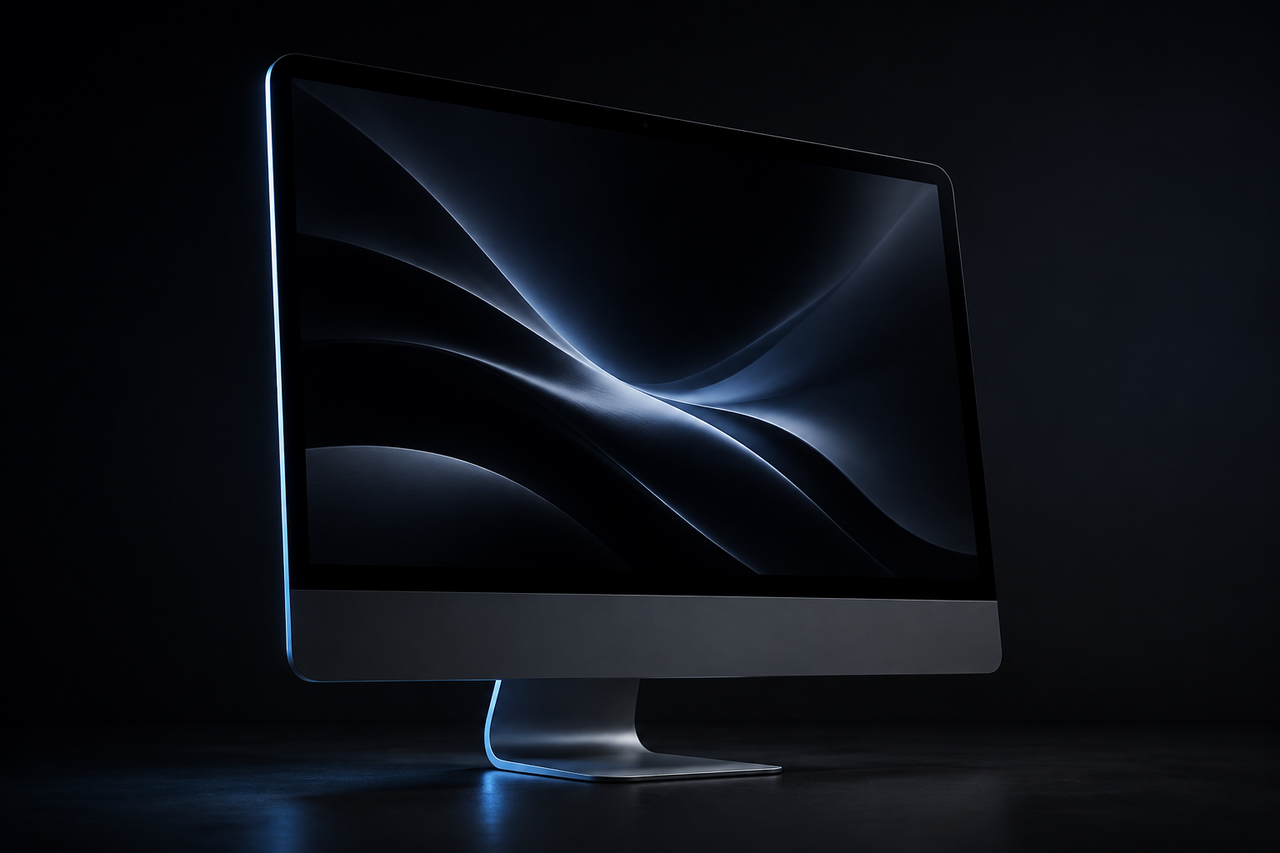
The iMac has always been the most emotional Mac to sell. It is the one that sat on the kitchen counter or anchored the home office, the whole computer and its screen fused into a single slab of aluminum. That fusion is also the thing that most shapes iMac resale value in the Apple Silicon era: unlike a Mac mini or a Mac Studio, an iMac is a display and a computer welded together, and the used market prices that bargain in ways that are worth understanding before you let one go.
Here is how iMac values actually break down in 2026 — how the models stack up against one another, why Apple Silicon iMacs and the old Intel 27-inchers have drifted so far apart, and what quietly moves the number up or down.
What an iMac is worth in 2026
Start with the shape of the market. Buyback and marketplace data compiled by We Buy Back Electronics in July 2026 ranks the current 24-inch lineup roughly like this, before condition and configuration adjustments:
| Model | Where it stands used |
|---|---|
| 24" iMac M4 (2024) | Top of the lineup; holds closest to new |
| 24" iMac M3 (2023) | Strong, a clear step below the M4 |
| 24" iMac M1 (2021) | Solid mid-pack for its age |
| 27" 5K Intel (2019–2020) | The bottom band, and still sliding |
Those positions line up with what independent valuations show. A 2021 M1 iMac, for instance, is generally worth a solid share of its original price depending on specs and condition — roughly 40–60% of original retail three-plus years on, which is respectable for a consumer desktop.
The short version: a clean 24-inch Apple Silicon iMac holds its value far better than the old Intel 27-inch models, which are now depreciating faster and competing against their own successors — the Studio Display and Mac mini.
The all-in-one bind
The single biggest thing separating iMac resale from every other Mac is that you cannot separate the screen from the computer. That cuts both ways. A buyer gets a genuinely lovely 4.5K display and a machine in one purchase, which is part of the appeal to families, students, and front-desk setups. But it also means the display — a component that, as Six Colors noted in its M4 iMac review, can outlive the computer attached to it by years — retires the moment the silicon inside feels slow.
"Displays can have lifespans vastly longer than the computers they're attached to."
For a seller, the practical takeaway is that an iMac's value tracks the perceived life left in its chip more tightly than a modular Mac's does. Nobody buys a used iMac to keep the panel and swap the brains. So the newer the Apple Silicon generation, the better the machine ages — and the sharper the drop-off once a model is two or three chips behind.
Apple Silicon versus Intel: a widening gap
The clearest divide in the iMac market runs between the 24-inch Apple Silicon machines and the 27-inch 5K Intel models Apple stopped selling in 2022 without ever moving to its own chips. Depreciation tells the story: Apple Silicon iMacs shed roughly 10–17% of their value per year, while Intel iMacs lose 15–20%, dragged down by shrinking macOS support and buyers who have simply moved on.
The 27-inch Intel machines are a special case because they are the last big-screen iMacs Apple ever made, and that scarcity props them up a little. On the MacRumors forums, owners of a loaded 2020 27" i7 with 64GB and 1TB routinely report clearing strong money on the private market, with some listing higher and letting bidding do the work. But those figures are for top configurations, and even they are trending down as the 2017 iMac Pro and Apple Silicon alternatives undercut them.
The 27-inch gap nobody filled
When the large iMac disappeared, Apple's answer was to point pros toward a Studio Display paired with a Mac mini or Mac Studio — the Studio Display uses essentially the same 5K panel the 27-inch iMac did. That migration hollowed out the high end of the iMac market: the people who most valued a big all-in-one bought a display-plus-computer instead, and a used 27-inch Intel iMac now reads as a legacy purchase rather than a current one. If you are holding one, the value is unlikely to improve, which usually argues for selling sooner rather than later.
What actually moves the number
Within a given model, the spread between a floor offer and a strong one comes down to a handful of things:
- Chip generation first. An M4 in good shape can be worth more than a like-new M1, full stop. The silicon sets the ceiling; everything else adjusts around it.
- RAM and storage. Because Apple Silicon memory is soldered and can never be upgraded, a 16GB/512GB iMac is meaningfully more desirable — and more valuable — than the 8GB/256GB base that most people bought.
- Condition and completeness. The all-in-one glass front shows scuffs, and iMacs shipped with a color-matched Magic Keyboard and mouse. A unit with its original accessories, box, and a clean screen commands the top of its band; a scratched panel or missing keyboard pushes it toward "fair."
- Color. The 24-inch iMac came in seven colors, and the rarer ones — pink and orange in particular — can nudge value up because they are harder for a buyer to find secondhand.
- Working versus not. Even a dead iMac has real worth — broken 24-inch Apple Silicon units still fetch a meaningful amount depending on model, because the display and chassis have salvage value.
Timing and where to sell
Two forces are working in a current iMac owner's favor right now. The all-in-one form factor means these machines were rarely abused the way laptops are, so condition tends to hold up. And the broader run-up in memory and component costs has made new Macs pricier, which narrows the gap between a new iMac and a clean used one and gives secondhand values a floor to lean on.
The catch is the depreciation curve. Values slide fastest right after a successor launches, then settle — so the worst time to sell is the week after a new iMac appears, and the best is before your model slips another chip generation behind. If your iMac is sitting unused while it quietly loses 10–20% a year, the math rarely rewards waiting.
If an old iMac is gathering dust, it's worth knowing the number today rather than next year. An instant offer takes about 30 seconds, covers Apple Silicon and Intel models alike, and — because Encore buys broken units too — even a dead all-in-one is worth quoting rather than recycling.
The bottom line
iMac resale in the Apple Silicon era is a story of two markets. The 24-inch M1, M3, and M4 machines hold their value gracefully for consumer desktops, rewarded for clean condition, higher RAM, and newer silicon. The 27-inch Intel models are living out a long, slow decline, buoyed only by being the last big iMacs Apple made. In both cases the all-in-one design means value is tied to the chip's remaining life — so the smartest move is to know what your machine is worth while that life still counts for something.
Get an instant offer on your Mac
A real number in about 30 seconds — working or not. Free prepaid shipping, no seller fees, paid the day it arrives.*
Get my offerSources
More from Encore
 Value & Depreciation
Why MacBooks Hold Their Value Better Than Windows Laptops
Long software support, durable build, ecosystem pull, and steady demand keep used MacBooks worth far more than Windows laptops.
Sep 27, 2026 · 6 min read
 Value & Depreciation
Mac Studio vs Mac Pro: Which Holds Value Better?
Same silicon, very different depreciation: why the Mac Studio resells easily and the Mac Pro gives back more of its value.
Sep 27, 2026 · 6 min read
 Value & Depreciation
The iMac Pro: An Orphaned Powerhouse's Second Life
Discontinued, now Intel-sunset, still capable: who the iMac Pro is for in 2026 and how to value one.
Sep 27, 2026 · 6 min read