Does More RAM Still Help Resale During a Shortage?
A global memory shortage has sent DRAM prices soaring and made high-memory Macs unusually valuable secondhand — here's why more RAM helps resale more than usual right now.
Encore Editorial · Sep 11, 2026 · 6 min read
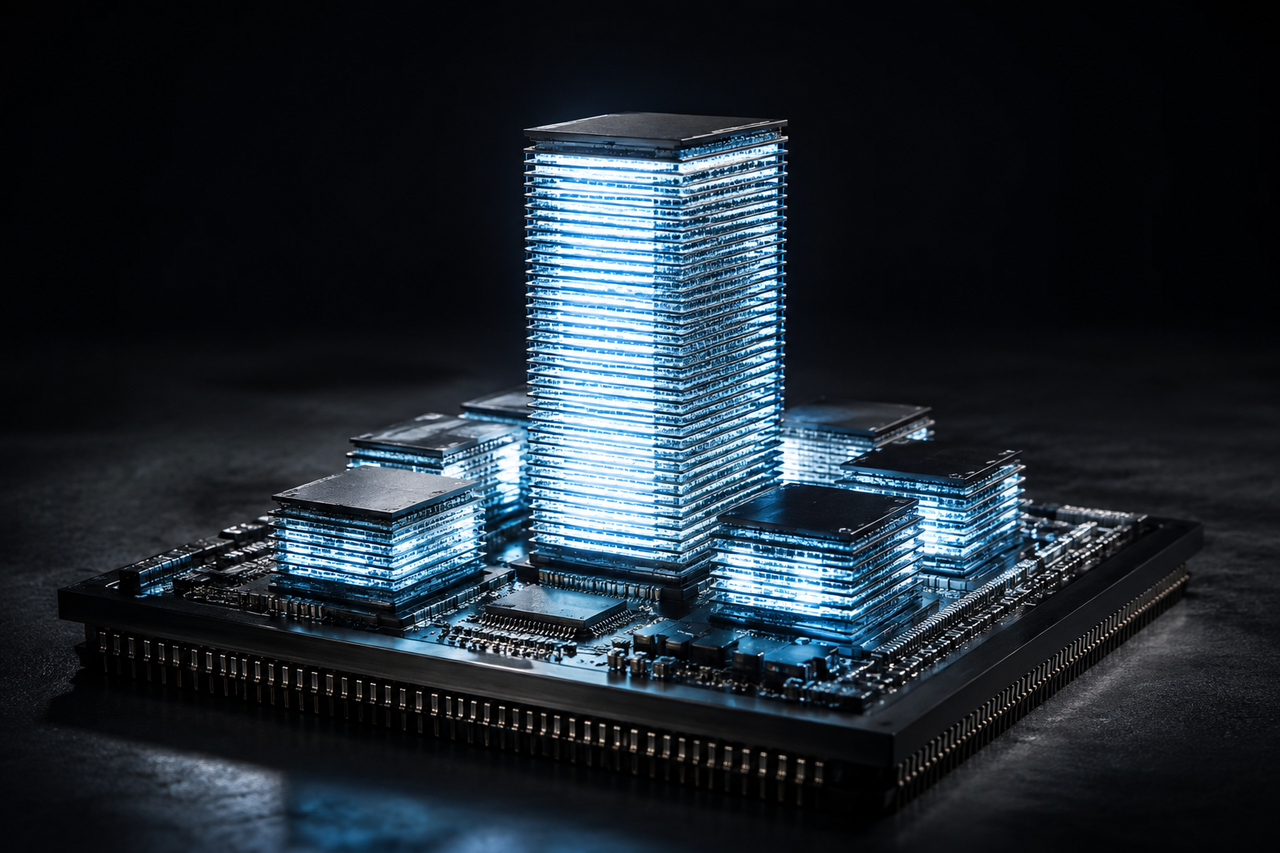
If you bought a Mac with extra memory a few years ago, you may have quietly wondered whether the upgrade was worth it. In 2026, the used market is answering that question for you: yes, and by more than usual. A worldwide memory shortage has made RAM one of the scarcest, most expensive parts in the computing supply chain — and because a Mac's memory is fixed at the factory and can't be added later, the machines that already have plenty of it are unusually desirable secondhand.
Why memory suddenly got so scarce
The short version: artificial intelligence ate the memory supply. Data-center demand for the chips that power AI training and inference has pulled an enormous share of global DRAM and NAND production toward servers, leaving less for everything else. As IDC's analysis of the global memory shortage lays out, the squeeze is expected to ripple across the PC and smartphone markets through 2026, with contract prices for memory climbing steeply — reported increases on the order of 90 to 95 percent quarter over quarter in early 2026, and further rises projected after that. Wccftech's roundup of the 2026 RAM crisis explains how AI-driven demand is behind the DDR5 crunch and why relief isn't expected to arrive quickly — analysts don't anticipate meaningful easing until late 2027.
Because Mac memory is soldered on at purchase, none of this can be fixed after the fact. A buyer who needs more RAM can't add it to a used Mac; they have to find a machine that already shipped with it. That single constraint is what turns a shortage in the parts market into a premium in the resale market.
During a memory shortage, RAM you already have is RAM nobody can add later. A higher-memory Mac isn't just faster — it's scarce in a way a base-spec machine isn't, and that scarcity is what pushes its resale value up right now.
How the shortage flows into used Mac prices
Normally, a used computer depreciates on a predictable curve. This cycle is different. When new machines get more expensive to build and buy, the whole used market re-prices upward, because a secondhand unit is being compared against a costlier new alternative. Techable's look at why the Mac resale market is growing in 2026 ties the trend directly to these conditions: pricier new hardware and scarce memory are keeping used and refurbished Macs holding their value — or appreciating — instead of falling the way electronics usually do.
Layer the memory dynamic on top and the effect concentrates at the high-memory end. Two identical-looking Macs of the same model and year can diverge sharply in resale value based purely on how much memory they carry, and that gap is wider today than it would be in a normal market. The premium for more RAM has always existed; the shortage has stretched it.
Why buyers want the memory now more than ever
There's a demand-side reason too, and it also traces back to AI. A growing amount of interesting software now runs models locally — on your own machine rather than in the cloud — and those workloads are hungry for memory. On a Mac, system memory and graphics memory are unified, so having more of it directly determines how large a local model you can run and how smoothly you can juggle heavy applications at the same time. Buyers who care about that capability actively seek out high-memory machines, which puts a second bid under exactly the units the shortage already made scarce.
- Local AI and creative work reward memory, so power users hunt for high-RAM configurations.
- Fixed at the factory means the only way to get more is to buy a machine that has it.
- New prices are up, so a used high-memory Mac reads as a bargain by comparison.
What this means if you're selling
If your Mac has above-base memory, this is a genuinely good moment to sell it — the market is rewarding the exact thing that's scarce. If it's a base-memory machine, don't be discouraged: the same forces lifting the top of the market are holding up the bottom, so a modest configuration is still very sellable, just at a more everyday level. The one thing you shouldn't do is assume your machine has depreciated on the old, steep curve. In 2026, that assumption is usually wrong in your favor.
Turning a favorable market into a clean sale
A rising, unusual market is precisely when it pays to know what your specific configuration is worth rather than guessing from an outdated sense of resale values. With Encore, you answer a few questions and get an instant online offer in about 30 seconds that reflects your Mac's actual memory and specs — then a free prepaid, insured label and payment once it arrives, with the accepted offer being exactly what you're paid. Because Encore buys broken units too, even a high-memory machine with a fault still has a clear path to a fair number instead of sitting unsold.
To be straight with you: in a hot market, a patient private sale to the right buyer can still command a strong headline price, especially for a sought-after high-memory model. What Encore trades a little of that potential for is certainty and zero hassle — no strangers, no postage, no chargeback risk. If you own a memory-rich Mac and want to know what the shortage has done to its value, it's worth seeing the number before you decide how to sell.
Get an instant offer on your Mac
A real number in about 30 seconds — working or not. Free prepaid shipping, no seller fees, paid the day it arrives.*
Get my offerSources
More from Encore
 Value & Depreciation
Why MacBooks Hold Their Value Better Than Windows Laptops
Long software support, durable build, ecosystem pull, and steady demand keep used MacBooks worth far more than Windows laptops.
Sep 27, 2026 · 6 min read
 Value & Depreciation
Mac Studio vs Mac Pro: Which Holds Value Better?
Same silicon, very different depreciation: why the Mac Studio resells easily and the Mac Pro gives back more of its value.
Sep 27, 2026 · 6 min read
 Value & Depreciation
The iMac Pro: An Orphaned Powerhouse's Second Life
Discontinued, now Intel-sunset, still capable: who the iMac Pro is for in 2026 and how to value one.
Sep 27, 2026 · 6 min read