Is Now the Time to Move Off Your Intel Mac?
Dropped OS support, no AI features, and aging hardware are converging on Intel Macs at once — here's an honest framework for deciding whether to sell now.
Encore Editorial · Sep 12, 2026 · 6 min read
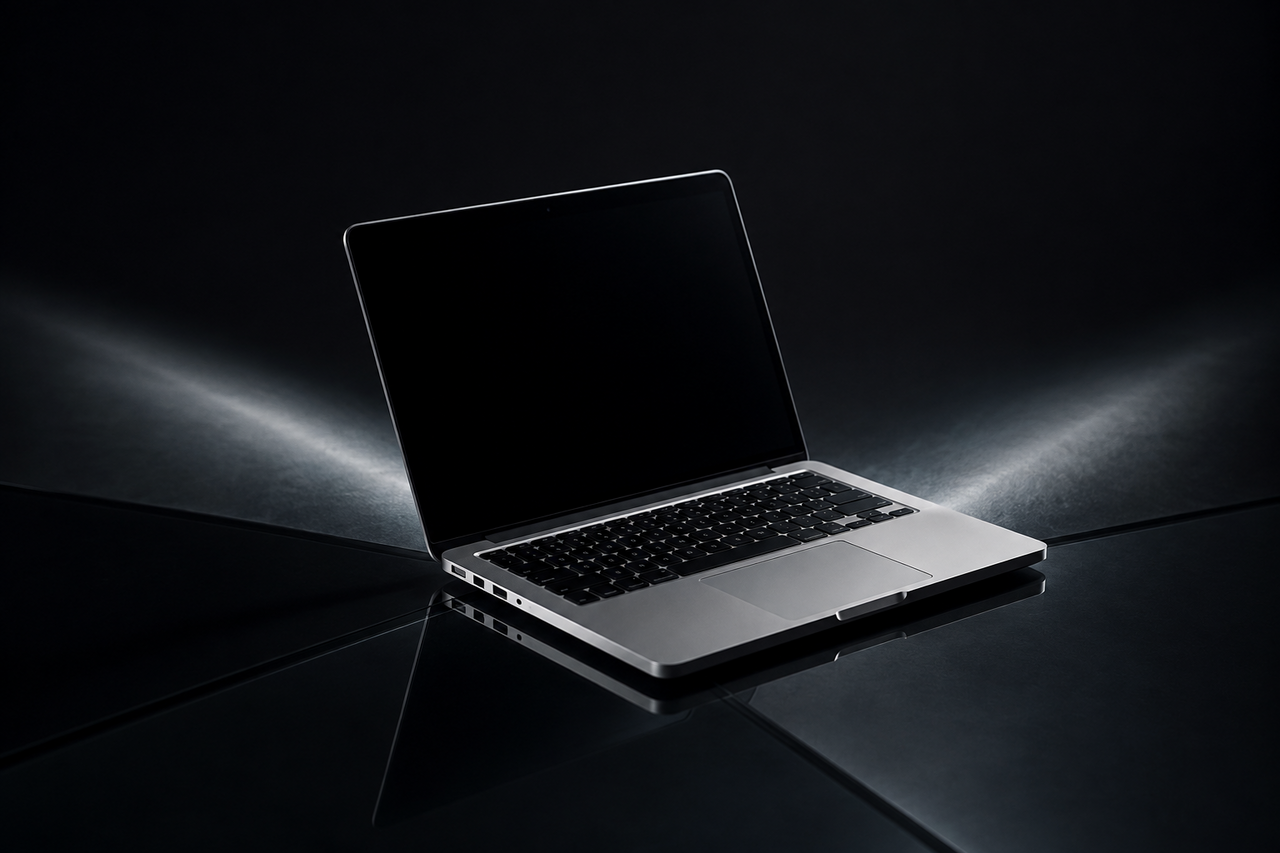
If you have an Intel Mac that still boots up and does its job, the case for selling it can feel abstract — it works, so why bother? But three separate trends are now landing on Intel machines at the same time, and together they change the calculus. This is not a scare piece; your Mac is not about to stop functioning. It is an honest look at what is happening and how to decide whether moving on now makes more sense than waiting.
The operating system runway just got short
The clearest signal is coming from macOS itself. macOS Tahoe, released as macOS 26, is the final version that supports Intel Macs at all. As the Wikipedia entry on macOS Tahoe documents, it is the last release to run on Intel hardware, and even then only the newest Intel machines — largely the 2019 to 2020 models — made the compatibility list. Older Intel Macs were already left on earlier versions.
What comes next is the harder part. The FPS Review reported that Apple will drop support for Intel-based Macs following the Tahoe release, meaning the next major macOS is Apple Silicon only. Supported Intel Macs will still receive security updates for roughly three more years after their last feature release, so you are not cut off overnight — but the feature runway has ended, and the clock on security patches is now visibly ticking.
The AI features were never coming to Intel
On top of the OS story, there is the feature story. Apple Intelligence — the writing tools, summaries, image features, and the rebuilt Siri — requires Apple Silicon. Digital Trends' guide to which Macs will and won't get the new AI features confirms the clean split: every M-series Mac is in, every Intel Mac is out, with no update path. So an Intel machine is simultaneously nearing the end of its OS road and permanently outside the feature set Apple is building everything around.
The trends point one way. Tahoe is the last macOS for Intel, the next release drops Intel entirely, and Apple Intelligence never included Intel to begin with. None of this bricks your Mac, but it means an Intel machine's desirability and resale value are on a downward path that waiting will not reverse.
The third factor: quiet hardware aging
The last piece is simply time. The newest Intel Macs are now several years old, which means batteries, storage, and thermal performance are all further along their curve than they were. That is normal, and a well-kept machine can keep going for years — but it compounds with the other two trends. A buyer looking at an Intel Mac today is weighing an aging machine, on a closing OS runway, that cannot run the marquee features. Each factor alone is survivable; together they steadily narrow the pool of people who want it and what they will pay.
A simple way to decide
Rather than an all-or-nothing call, run your situation through a few honest questions:
- Do you rely on it daily for real work? If yes, and it still does that work well, there is no crisis — but line up your exit before the security-update window closes.
- Is it a spare or lightly used machine? A second Mac that mostly sits idle is the easiest call: its value only erodes from here, so selling now captures more of it.
- Do you want the new features? If Apple Intelligence and the latest macOS matter to you, an Intel Mac cannot get you there, and holding it does not change that.
- Can you live with a shrinking buyer pool? The audience for Intel Macs contracts as the OS runway shortens; earlier tends to be better than later.
Hold vs. move, at a glance
| Your situation | Reasonable move |
|---|---|
| Daily workhorse, still capable | Keep for now, but plan the sale before security updates lapse |
| Spare or backup machine | Sell now — value only falls from here |
| You want AI / latest macOS | Move up; Intel can't deliver either |
| Machine is failing or damaged | Sell as-is rather than sink money into repairs |
If the answer is "move"
When you have decided, the practical step is to find out what the machine is actually worth today, because the honest truth is that number tends to soften over time for Intel hardware. Encore gives you an instant online offer in about 30 seconds, a free prepaid, insured shipping label, and payment once the Mac arrives — the offer you accept is the offer you are paid. It buys Intel Macs and even broken or failing units, so an aging machine that a private buyer would hesitate over is still welcome, with no stranger to meet and no postage to buy. It will not always beat a perfect private sale on headline price, but it removes the hassle and the risk at exactly the point in an Intel Mac's life when a private sale gets hardest. If you have an older laptop, it is quick to see what it's worth as it is before the window narrows further.
Get an instant offer on your Mac
A real number in about 30 seconds — working or not. Free prepaid shipping, no seller fees, paid the day it arrives.*
Get my offerSources
More from Encore
 Apple Silicon vs Intel
Your Intel Mac Still Works — How to Get the Most From It (or Move It)
Golden Gate dropped Intel Macs, but yours still has years left: how to keep it safe, useful, and worth something.
Sep 27, 2026 · 6 min read
 Apple Silicon vs Intel
T2 vs Apple Silicon: The Security Differences That Matter When You Buy or Sell
T2 Intel Macs and Apple Silicon Macs share the Secure Enclave and Activation Lock. Here's what to verify before a used deal.
Sep 25, 2026 · 7 min read
 Apple Silicon vs Intel
How Apple Quietly Hardened Activation Lock at the Hardware Level
Activation Lock lives in the Secure Enclave and boot chain, not macOS — which is why erasing a Mac never clears it. Here's how it really works.
Sep 24, 2026 · 7 min read