Apple Silicon vs. Intel: Which Holds Value Better?
Apple Silicon Macs hold 50-90% of their value; comparable Intel Macs sit near 20-30%. Here's why the resale gap is so wide and what it means for you.
Encore Editorial · Sep 7, 2026 · 6 min read
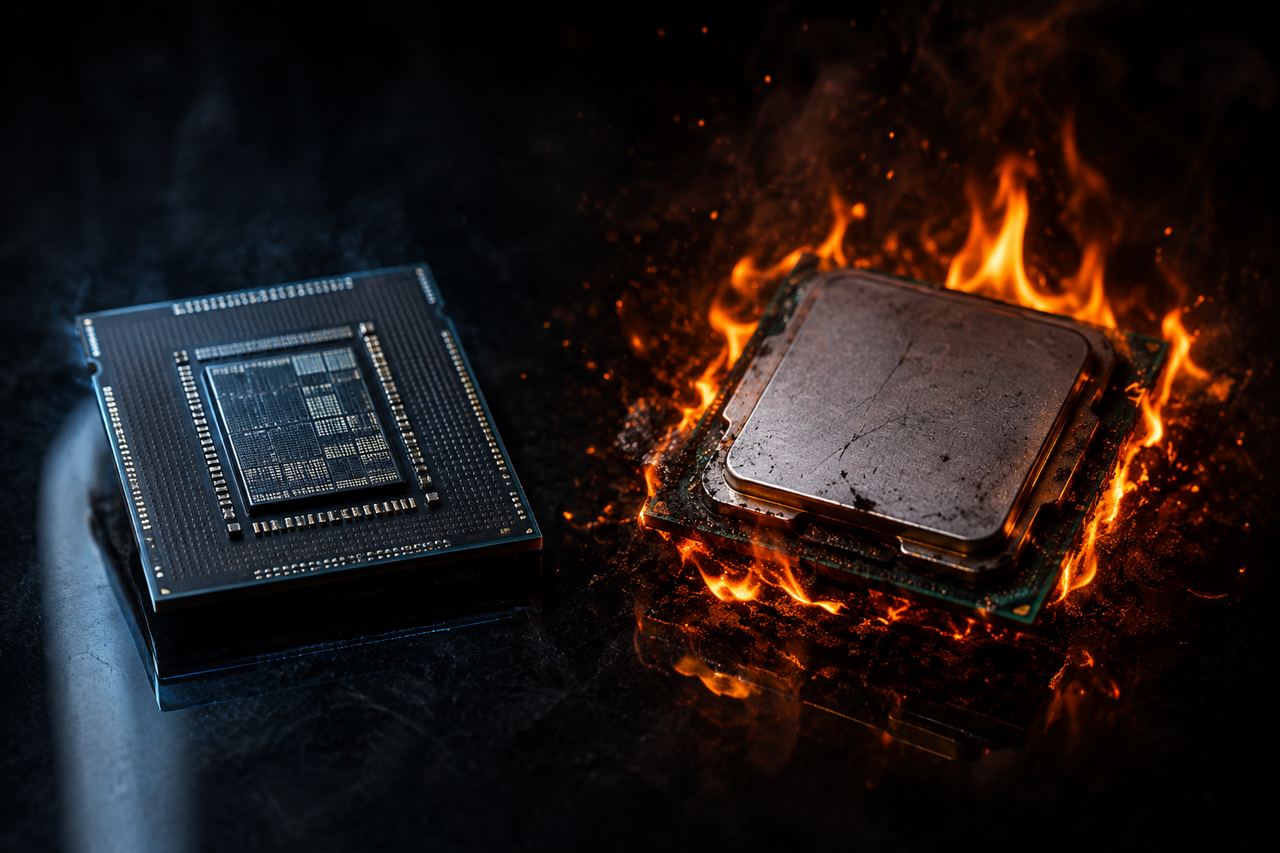
When people ask which Mac holds its value better, Apple Silicon versus Intel, they usually expect a close call. It isn't. The gap in resale value between Apple's own chips and the Intel machines they replaced is one of the widest in modern consumer tech, and it has been getting wider every year since the transition began in 2020. If you own either kind of Mac, understanding why tells you a lot about when — and whether — to sell.
This is a comparison worth doing carefully, because the headline numbers are stark and the reasons behind them are what actually predict where prices go next.
The numbers: Apple Silicon vs Intel resale value
Start with real sold prices rather than wishful list prices. According to ValueSnap's 2026 tracking of actual transactions, the retention curves for the two families barely overlap. Recent Apple Silicon MacBooks hold the majority of their original value years in; comparable Intel models are worth a fraction of what they cost.
| Model | Chip era | Approx. value retained |
|---|---|---|
| MacBook Pro (2024) | M4 | 85–90% |
| MacBook Pro (2023) | M3 | 70–80% |
| MacBook Pro (2021) | M1 Pro/Max | 50–60% |
| MacBook Pro (2019) | Intel | 20–30% |
| MacBook Air (2020) | M1 | 50–60% |
| MacBook Air (2019) | Intel | 20–30% |
The pattern is consistent across the lineup. A separate look at the market by Gizmogo puts Apple Silicon retention at roughly 55 to 75 percent after one year and 40 to 60 percent after two, with Intel models falling below those ranges over the same period. Even a five-year-old M1 MacBook can be worth more than an Intel MacBook that's only a year or two older.
The short version: Recent Apple Silicon Macs hold 50–90% of their value depending on age, while comparable Intel Macs sit around 20–30%. It's not a close comparison, and the gap keeps widening.
Why Apple Silicon holds value so well
Strong resale value is downstream of a machine still being genuinely useful. Apple Silicon scores on every input that matters to a used buyer:
- Performance that ages slowly. An M1 Mac from 2020 still handles demanding work without breaking a sweat. Buyers aren't taking a risk on a slow machine, so they'll pay for it.
- Efficiency and battery life. As Gizmogo notes, Apple Silicon's performance-per-watt and battery endurance far exceed the Intel machines, and a laptop that still lasts all day is worth more than one that doesn't.
- A long software runway. This is the big one. Apple keeps supporting its own chips for years, which means a used Apple Silicon Mac still has a long life of updates ahead of it — and that future is exactly what a buyer is paying for.
- Unified memory and dedicated engines. The Neural Engine and media engines built into Apple Silicon do real work that Intel Macs simply cannot, keeping the machines relevant for modern tasks.
Why Intel Macs fell off the cliff
The Intel side of the comparison is the mirror image, and the software story is decisive. macOS Tahoe, released in 2025, is the last version of macOS that runs on Intel at all — macOS 27 requires Apple Silicon, as MacRumors reported when Apple laid out the plan. On top of that, Apple has told developers they can stop building their apps for Intel entirely, per AppleInsider, so the app ecosystem is drifting away too.
A used-Mac buyer is really buying remaining useful life, and an Intel Mac's runway is now measured in a couple of years of security patches, not the better part of a decade. When the runway collapses, so does the price. That's the mechanism behind the 20-to-30-percent retention figures — the market has already priced in the end of the road.
What this means depending on which one you own
The comparison points to two very different conclusions.
If you own an Intel Mac, its value is near a floor and still sinking. Depreciation runs fastest right at the end of a platform's supported life, and Intel is there now. There's no supply squeeze or nostalgia premium coming to rescue these prices. If the machine isn't essential to you, the residual value it still carries is worth capturing rather than watching evaporate — the offer today is very likely better than the offer next year.
If you own an Apple Silicon Mac, you're in the enviable position of holding one of the best value-retaining computers on the market. You have room to be patient. The main thing that erodes an Apple Silicon Mac's value is the same thing that erodes any Mac's value — a new generation launching — so if you're going to upgrade, timing the sale around Apple's release calendar matters more than rushing.
Different machines, opposite playbooks. With Intel, the value case is "sooner is better" — you can check what it's worth in about 30 seconds. With Apple Silicon, you have the luxury of selling on your own schedule.
Does configuration change the answer?
Within Apple Silicon, higher-end configurations hold value best. More memory, more storage, and the Pro or Max chips retain a larger share of their original price than the base models, partly because those specs are expensive to buy new and can't be upgraded after purchase. A well-specified MacBook Pro from a few years ago can still command four figures.
None of that rescues Intel, though. Even a maxed-out Intel Mac Pro or a top-tier Intel iMac lands in the same low-retention band, because the ceiling on all of them is the same expiring software support. Configuration adjusts the number within a platform; it does not move a machine from one platform's curve to the other's.
The bottom line
Apple Silicon versus Intel isn't a real contest on resale value — Apple's chips win decisively, and they win for good reasons: they stay fast, stay efficient, and stay supported. Intel Macs lost the software runway that used-buyers pay for, and their prices reflect it. If you're holding Apple Silicon, hold with confidence and sell on your terms. If you're holding Intel, the clearest read of the market is that its value is a melting asset, and the best time to act on it already started.
Get an instant offer on your Mac
A real number in about 30 seconds — working or not. Free prepaid shipping, no seller fees, paid the day it arrives.*
Get my offerSources
More from Encore
 Apple Silicon vs Intel
Your Intel Mac Still Works — How to Get the Most From It (or Move It)
Golden Gate dropped Intel Macs, but yours still has years left: how to keep it safe, useful, and worth something.
Sep 27, 2026 · 6 min read
 Apple Silicon vs Intel
T2 vs Apple Silicon: The Security Differences That Matter When You Buy or Sell
T2 Intel Macs and Apple Silicon Macs share the Secure Enclave and Activation Lock. Here's what to verify before a used deal.
Sep 25, 2026 · 7 min read
 Apple Silicon vs Intel
How Apple Quietly Hardened Activation Lock at the Hardware Level
Activation Lock lives in the Secure Enclave and boot chain, not macOS — which is why erasing a Mac never clears it. Here's how it really works.
Sep 24, 2026 · 7 min read