The New M6 Mac mini and What It Means for Older Minis
Apple's late-August Mac mini refresh moves the goalposts for every older mini — but this cycle the usual value drop is softened by a memory shortage keeping used prices firm.
Encore Editorial · Sep 9, 2026 · 6 min read
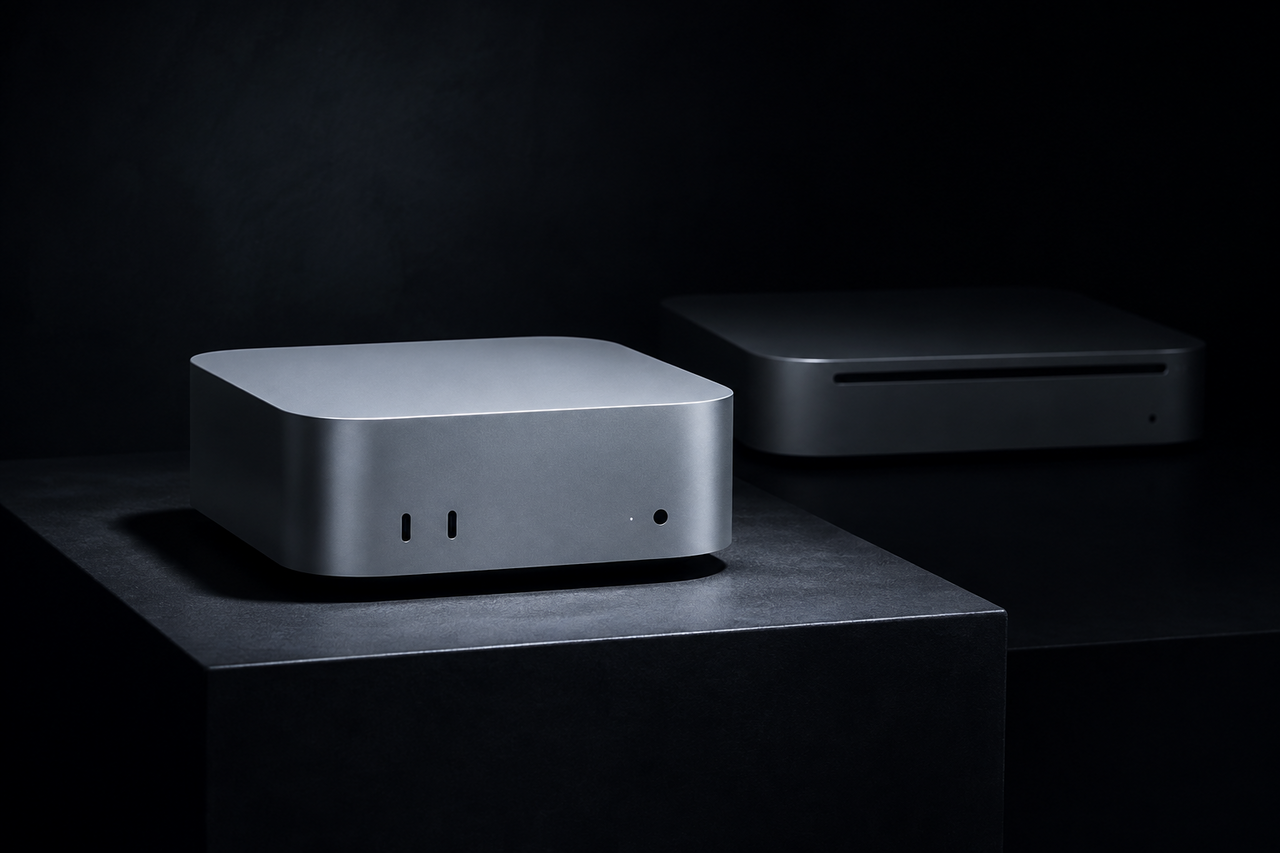
If you own a Mac mini and just watched Apple roll out a shinier one, you know the small sinking feeling that follows. On August 25, 2026, Apple unveiled a more powerful Mac mini built around the all-new M6 and M5 Pro chips, with pre-orders opening the same day and machines reaching buyers on September 22. The reflex is to assume your older mini just lost a chunk of its worth overnight. The reality this cycle is more interesting — and more in your favor — than the usual story.
Here's what the refresh actually changes, and why the timing might argue for acting sooner rather than sitting on the machine.
What Apple actually shipped
This wasn't a quiet spec bump. The new mini leads with Apple's newest silicon in two tiers — a standard M6 and a step-up M5 Pro — aimed at everyone from home users to developers and creative pros who want a small desktop that punches above its footprint. As MacRumors detailed in its launch coverage, the update also arrived alongside refreshed accessories, so the whole desktop lineup got nudged forward at once.
For an owner of an M1, M2, or M4-era mini, the practical takeaway is simple: your machine is now one clear generation (or more) behind the current entry point. That normally starts a predictable slide in what buyers will pay. What makes 2026 unusual is that the slide is being pushed back the other way by forces that have nothing to do with your specific mini.
Why the usual value drop is muted this time
In a normal year, a new Mac mini generation reliably pulls down the resale price of the outgoing ones, because buyers who want a mini can simply choose the newest model at a familiar price. 2026 broke that pattern. A global memory shortage has driven up the cost of the components inside every new computer, and Apple's current machines reflect that. When new hardware gets more expensive, the well-kept used unit becomes the value play — and demand shifts toward it.
That shift is measurable. Coverage of the resale market notes that the Mac resale market is growing precisely because rising new-Mac prices and tight supply are steering buyers toward pre-owned machines. In other words, a new mini launching at the top doesn't automatically hollow out the value of yours the way it once did. The floor under used minis is higher than the calendar alone would suggest.
A new generation still lowers your mini's ceiling, but the memory shortage is propping up its floor. The gap between "what it was worth last month" and "what it's worth now" is smaller in 2026 than it would be in an ordinary launch year — which is a rare, and temporary, break for sellers.
Does the launch mean you should sell now, or wait?
The honest answer is that the strongest window for a machine's resale value usually opens the moment a successor exists but hasn't yet flooded the used market with trade-ins and hand-me-downs. Right after a launch, buyers who don't need the newest chip are actively shopping the prior generation, and supply of those older units hasn't spiked yet. Waiting a year typically means competing against everyone else who upgraded and offloaded their old mini at the same time.
A few situations to weigh:
- You were already thinking about upgrading. Selling into current demand, while the memory-driven price support holds, is about as good a moment as you'll get.
- Your mini still does everything you need. There's no rule that says you must sell just because a new one exists — a capable Apple-silicon mini has years of useful life left, and holding it costs you nothing but the slow drift of value.
- You've got an aging or lightly damaged unit collecting dust. That's the one to move now. A dormant mini only loses relevance, and a broken one doesn't heal on a shelf.
How a new mini reshapes the used lineup
| Tier | Now the current pick | Where older minis land |
|---|---|---|
| Entry desktop | M6 mini | M1/M2/M4 minis become the budget-savvy choice |
| Step-up desktop | M5 Pro mini | Older Pro-tier minis stay attractive to value buyers |
| Price pressure | Higher, due to memory costs | Used demand rises as new prices climb |
The pattern is consistent: the new machines take the top of the lineup, and each older tier slides down one notch in buyers' minds — but because the top itself got more expensive, the whole ladder sits higher off the ground than usual. Your mini didn't fall as far as the launch headlines imply.
The calm way to cash out
If you decide it's time, the friction usually isn't the decision — it's the selling. Pricing an older mini against a market that's moving in two directions at once, fielding lowball messages, and shipping a desktop safely all add up. That's the part Encore is built to remove. You get an instant online offer in about 30 seconds, a free prepaid, insured shipping label, and payment once the machine arrives, with the offer you accepted being the offer you're paid. It buys older and even non-working minis too, so a unit no local buyer wants still has a clear path out. If you want a quick read on where your machine stands, you can start with the Mac mini offer flow and see the number before you commit to anything. It won't always beat a flawless private sale on headline price — but it trades that last sliver of money for skipping the haggling, the meetup, and the packing tape.
Get an instant offer on your Mac
A real number in about 30 seconds — working or not. Free prepaid shipping, no seller fees, paid the day it arrives.*
Get my offerSources
More from Encore
 Market & Pricing
Is There a Best Time of Year to Sell a Mac?
The best time to sell a Mac is set by Apple's refresh cycle and your machine's age, not the season on the calendar.
Sep 27, 2026 · 6 min read
 Market & Pricing
Why the Internet Can't Agree on the MacBook Neo
The MacBook Neo splits reviewers between best budget laptop and just a tablet. The real divide is about which buyer they picture.
Sep 24, 2026 · 6 min read
 Market & Pricing
What Apple's Fall 2026 Lineup Means for the Used Mac Market
Apple's busy fall lineup resets the reference point for every used Mac. Here's how each launch wave moves resale values.
Sep 23, 2026 · 6 min read